Ageing · Co-design · Health
Connecting Through Culture
Co-designing digital products to support healthy ageing — a multi-year participatory project with minoritised older adults, reimagining how cultural experiences can sustain wellbeing and connection in later life.
Mainstream technology design for older adults is too often grounded in deficit narratives — fixated on loss, decline, and simplified usability. That narrow lens erases the complexity, creativity, and intersectional life experiences of older people, particularly those from marginalised communities. Connecting Through Culture (As We Age) set out to challenge those assumptions.
Over a multi-year co-design project, we worked with twenty older adults who identified as racially, socioeconomically, or physically minoritised. The project explored how digital cultural experiences could support wellbeing and social connection in later life. Crucially, it did not treat participants as users or beneficiaries — it positioned them as co-researchers: experts in their own lives and collaborators in shaping future technologies.
I contributed to the project's first phase, which focused on laying the methodological foundations for that collaboration. Through adapted participatory methods — creative journaling, photo-elicitation, digital literacy mentoring, and group co-design workshops — we surfaced deep insights into how experiences across the lifecourse shaped participants' relationships with technology. This was never just about access or skills. It was about identity, place, community, memory, and power.
My contribution
As part of the interdisciplinary research team, I helped shape and deliver the foundational design phase. I co-developed and delivered inclusive, creative, and participatory tools that accommodated diverse literacy, accessibility, and cultural contexts; provided one-to-one digital literacy mentoring to build co-researchers' confidence and autonomy; co-facilitated exploratory group workshops where community members developed digital cultural prototypes grounded in their own histories; took part in team-wide reflexive activities and ethical adaptations driven by community feedback; and contributed to thematic and visual analysis across the project's creative outputs.
Design process
Connecting Through Culture took a deliberately slow, reflexive, and community-led approach to co-design — grounded in the belief that older adults, especially those from marginalised backgrounds, hold valuable expertise about their lives, cultures, and digital experiences. Our process wasn't driven by deliverables or outputs, but by building trust, mutual learning, and space for agency.
We began by establishing long-term relationships with participants as co-researchers, not users — working through methods that valued personal history, emotion, and social context. Across a series of workshops, home-based activities, and digital mentoring sessions, we built a shared understanding of how technologies intersected with wellbeing, exclusion, and belonging. Rather than rushing into solution-building, we focused on surfacing lifecourse insights, cultivating digital confidence, and creating tools for self-expression. These experiences became the foundation for early design ideation — ensuring future technologies for cultural connection weren't abstract concepts, but reflections of lived experience.
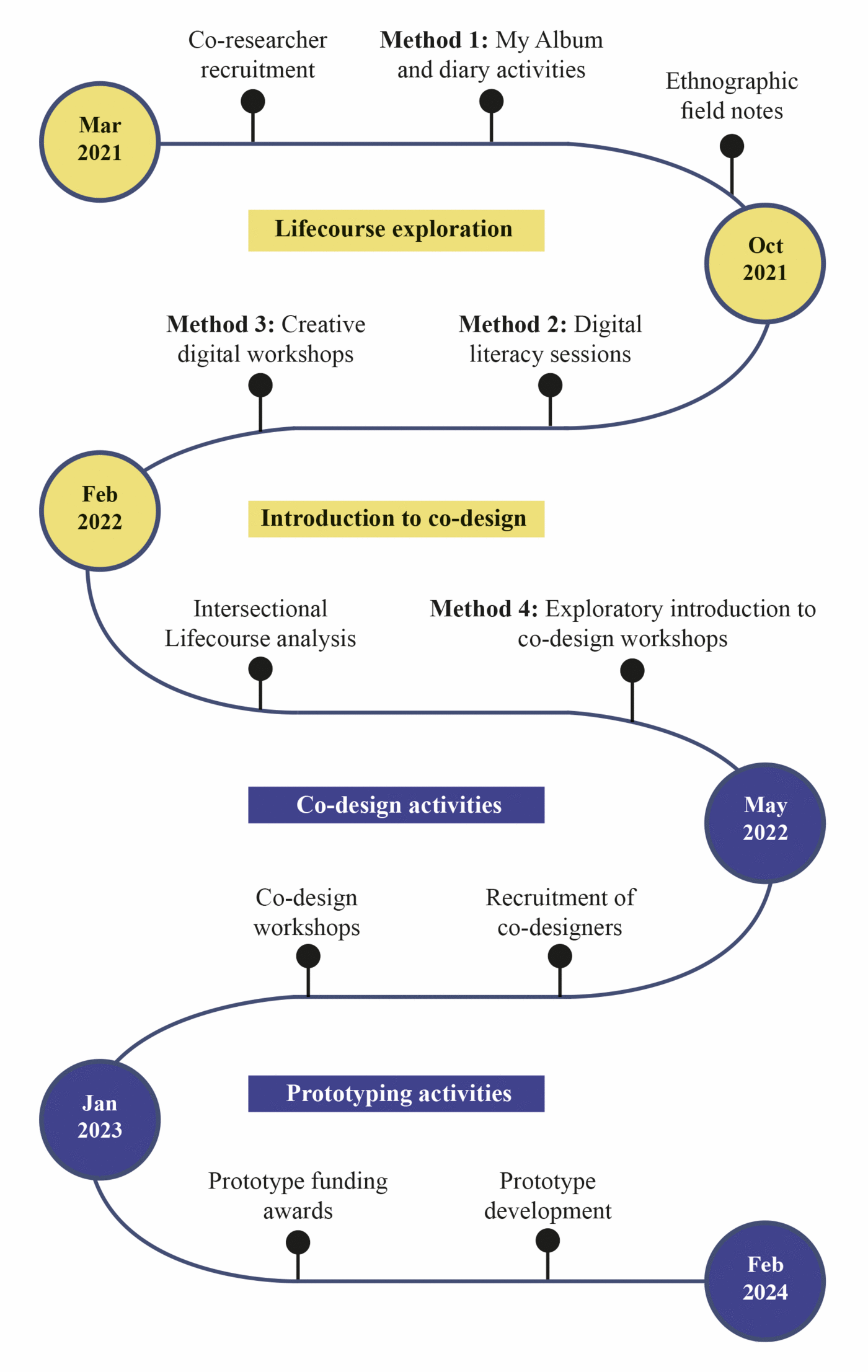
1 · Relationship building & co-researcher onboarding
The project began with a careful, intentional process of inviting older adults to participate not as research subjects, but as co-researchers. Many had experienced exclusion from digital initiatives because of age, race, disability, or socioeconomic marginalisation — so establishing trust and mutual respect was foundational.
We held introductory sessions to get to know one another, discuss expectations, and co-create the terms of participation. These early conversations were as much about emotional safety and personal storytelling as they were about project logistics. Participants shaped how and when they engaged, and what kinds of support they needed to feel confident contributing.
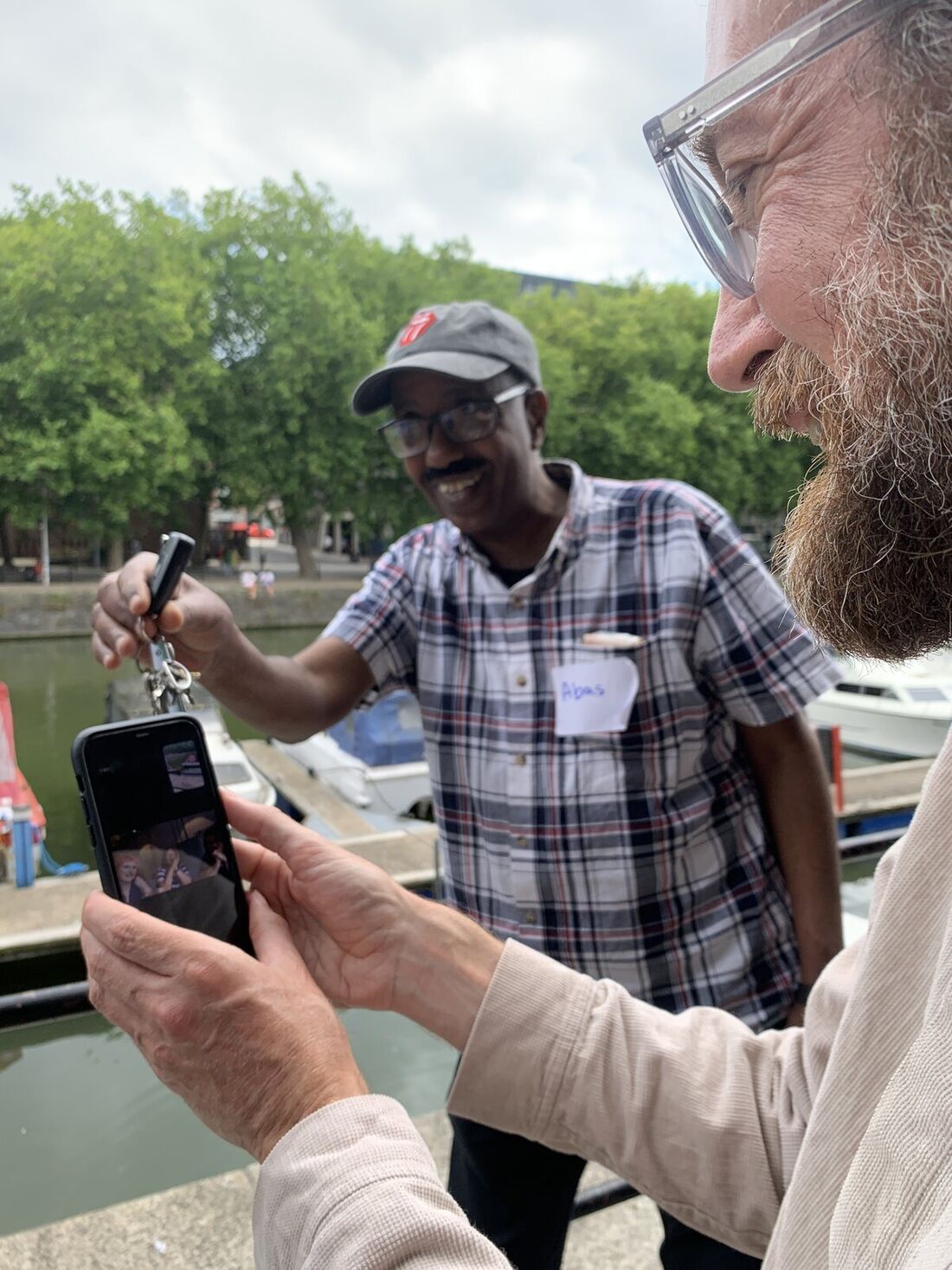
I played a key role in onboarding, offering one-to-one digital mentoring and technical guidance so co-researchers felt equipped to participate remotely during the COVID-19 pandemic. This support was never framed as "training" — it was a means of empowerment, building autonomy, confidence, and connection. The stage prioritised relational groundwork over rapid progress, recognising that meaningful design can only happen when participants feel valued, heard, and in control of their involvement.
2 · Lifecourse exploration & creative methods
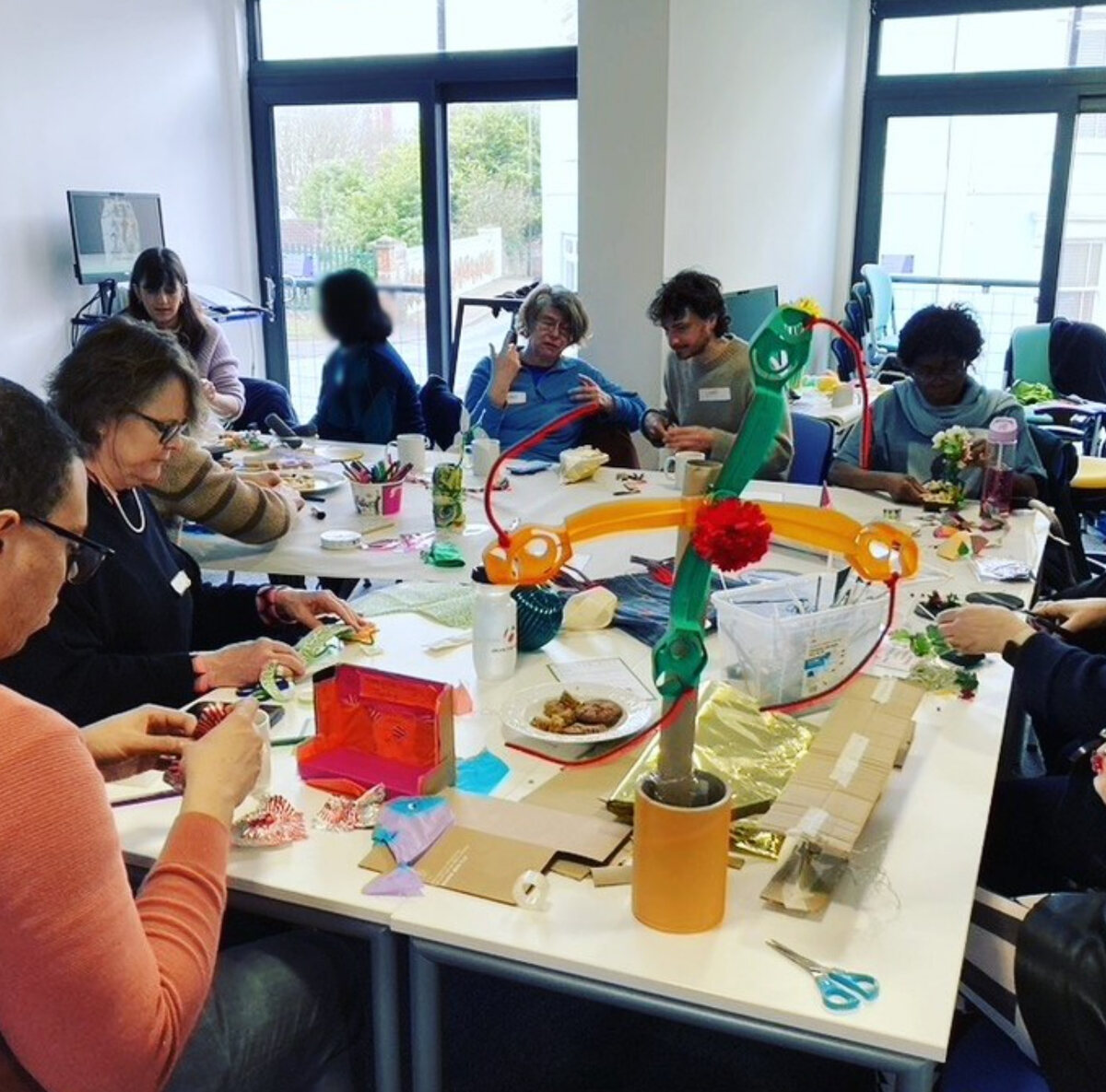
With trust established, we introduced a suite of creative, accessible methods designed to explore how co-researchers' experiences across the lifecourse shaped their relationships with culture, technology, and place. These methods helped surface not just digital habits or barriers, but deeper themes of memory, identity, family, migration, loss, and resilience.
Activities included:
- Creative journaling — open-ended prompts inviting participants to reflect on moments of cultural connection, disconnection, or transformation over time.
- Photo-elicitation — participants shared and discussed personal images, physical or digital, representing key moments or relationships.
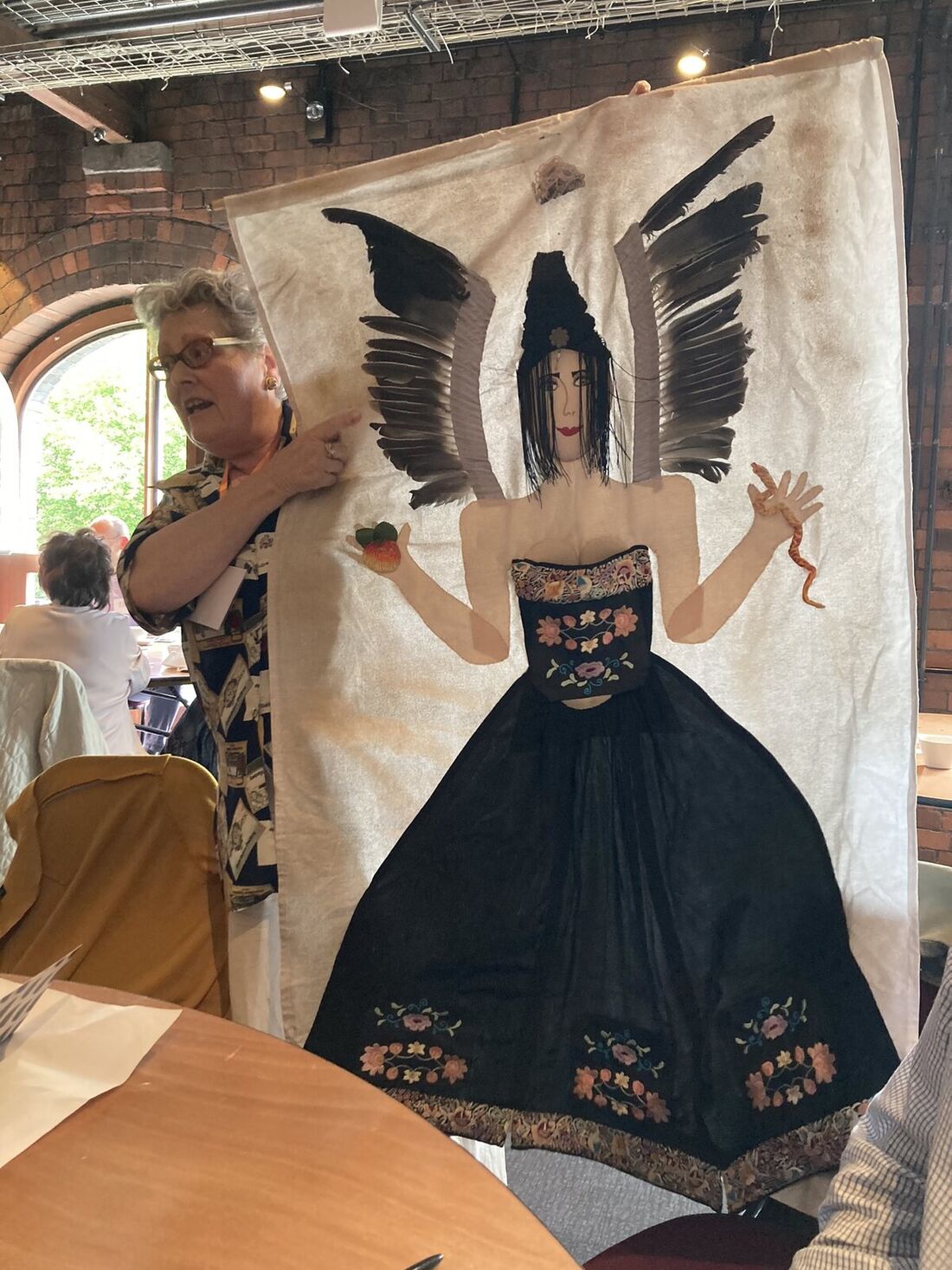
- "My Album" activity — a visual storytelling exercise combining memory work with speculative thinking about how technology might support future cultural engagement.
I co-facilitated these activities and supported participants in adapting them to their preferred formats and access needs — whether spoken word, printed materials, phone conversations, or video calls. Each method was designed not simply to gather data, but to enable reflection, expression, and ownership. The outputs from this phase were rich and varied, building a nuanced picture of how cultural connection is entangled with social class, race, disability, and digital history.
3 · Digital confidence building & individual support
To enable meaningful participation in the co-design process, we offered tailored, one-to-one digital support throughout the project. Many co-researchers had limited prior access to digital tools — or had negative experiences with systems that were never designed with them in mind. Rather than focusing on "skills gaps," our approach centred on confidence, agency, and comfort.
I provided direct mentoring on using video calls, messaging apps, email, and other relevant platforms, always responding to individual preferences and accessibility needs. For some participants this meant troubleshooting unfamiliar hardware; for others, adapting activities to non-digital formats and validating alternative forms of participation.
Over time, this support helped many participants shift from cautious users to confident co-researchers who could explore, share, and create through digital platforms. The work demonstrated a core principle: inclusive design begins with inclusive participation — making space for everyone to feel capable and in control.
4 · Collaborative design workshops & early prototyping
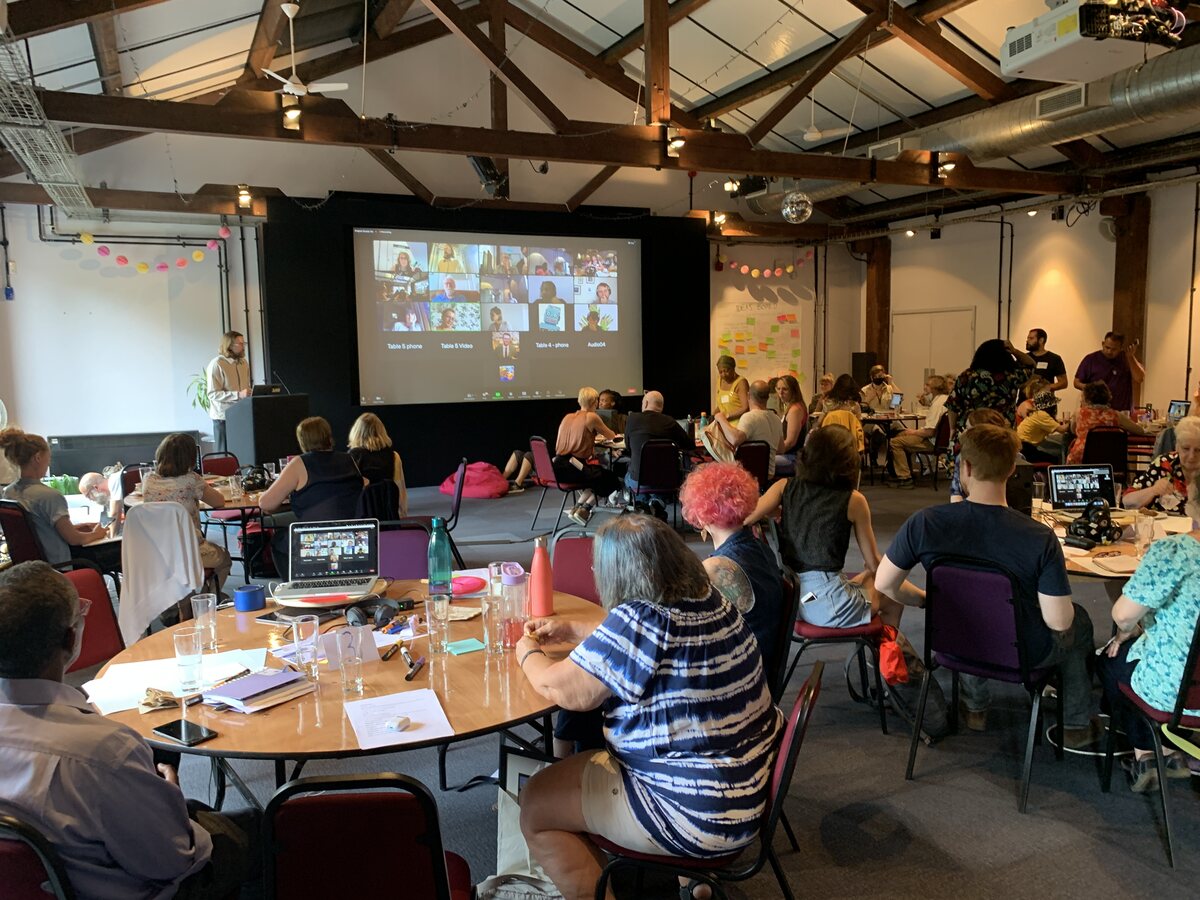
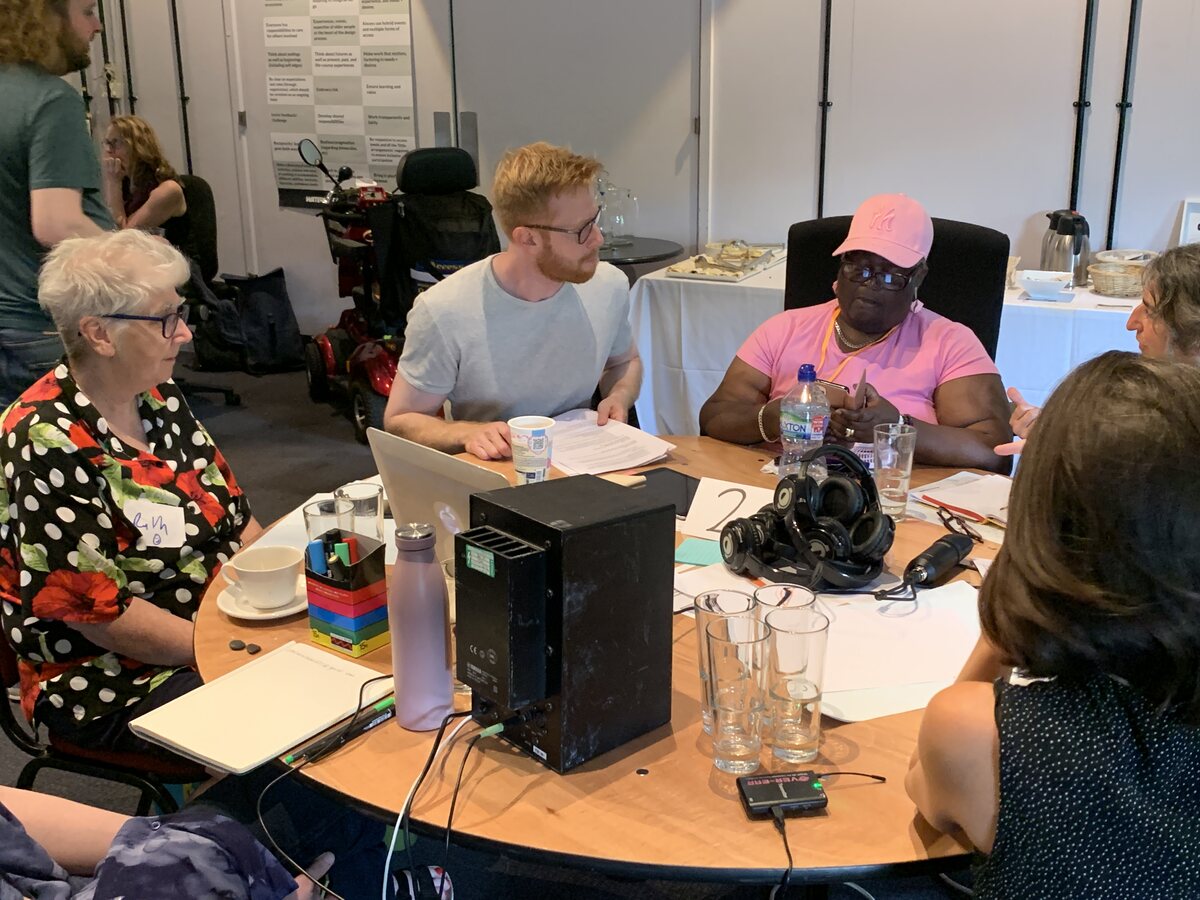
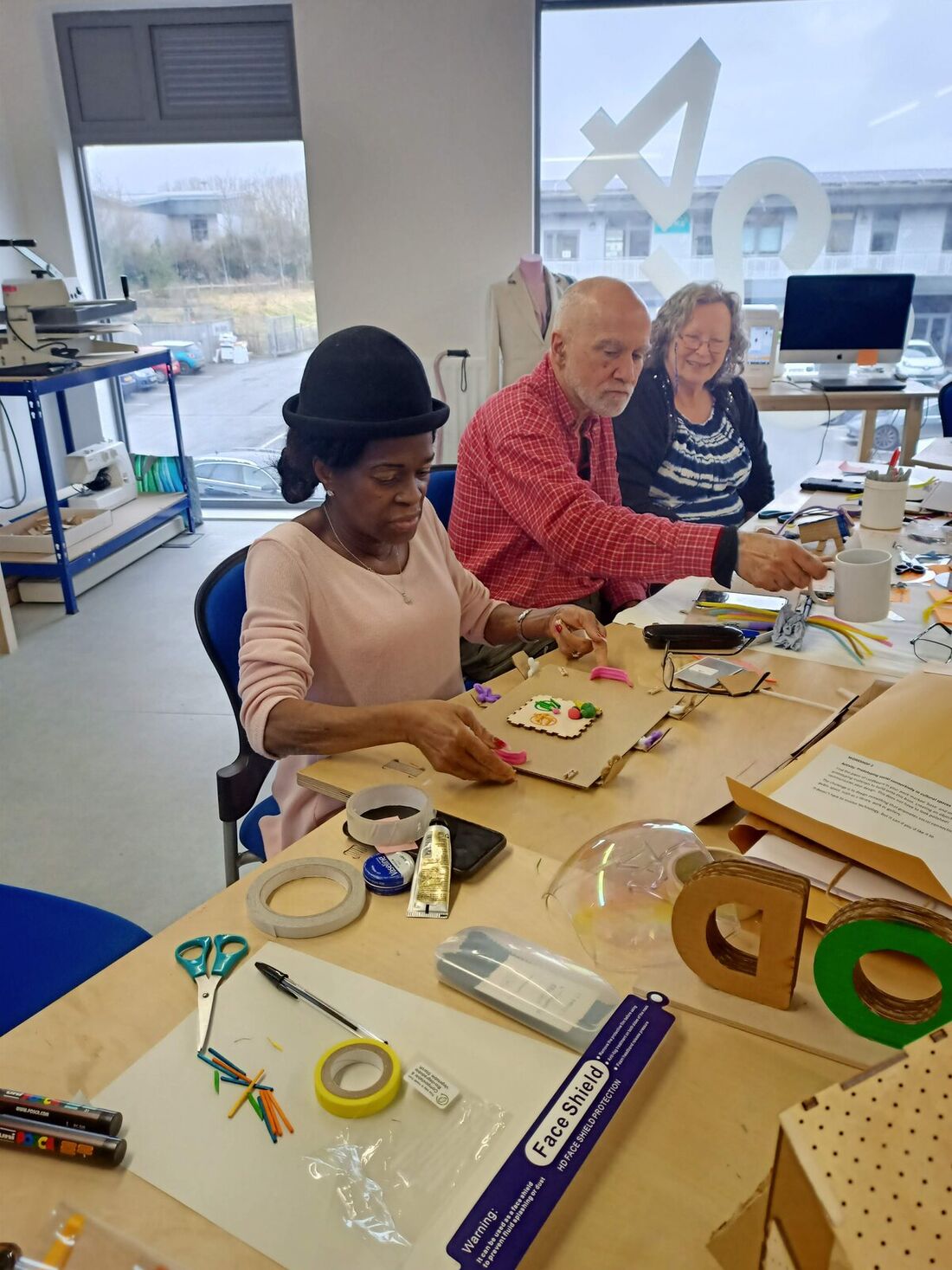
Building on the lifecourse insights and growing digital confidence of our co-researchers, we transitioned into group design sessions focused on imagining new forms of digital cultural connection. These workshops brought participants together — virtually and in person — to share ideas, respond to each other's stories, and co-create early prototypes grounded in lived experience.
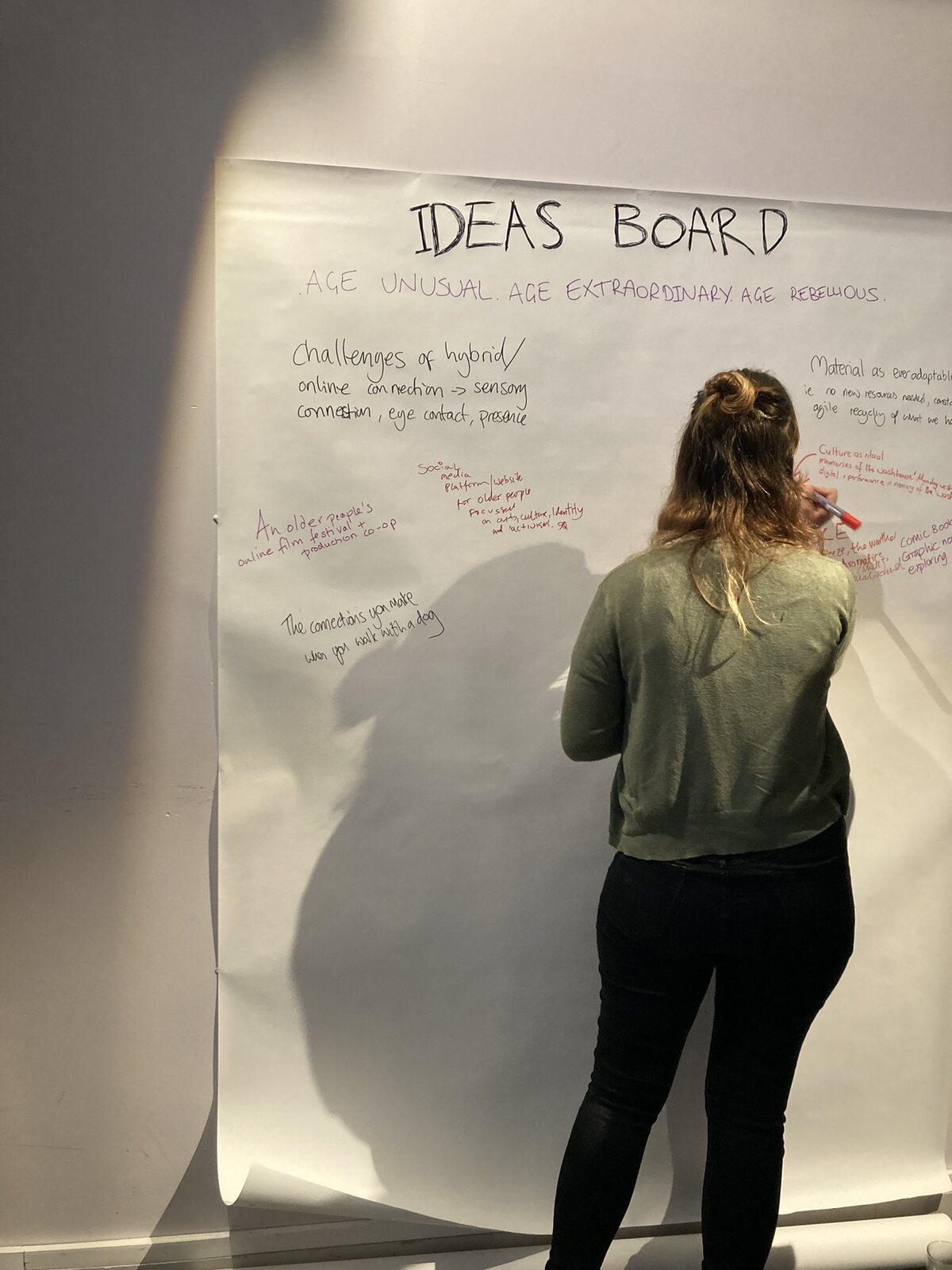
Workshops were deliberately open-ended and inclusive. Rather than presenting predefined problems, we began with personal provocations — questions about what culture meant to participants, what they missed, and what brought them joy. This led to concept development around storytelling platforms, sensory-based digital experiences, and systems for reconnecting with family or heritage.
I co-facilitated these sessions and helped capture ideas in forms that felt accessible and expressive — storyboards, mind maps, collages, and narrated scenarios. Each idea was discussed not just in terms of functionality, but emotion, identity, and accessibility. Technologies were imagined not merely to solve problems, but to celebrate lives. These early prototypes laid the groundwork for future design and showed how intergenerational, intersectional design participation can produce radically different visions of digital inclusion.
5 · Tabletop Travel — co-designed concept to funded prototype
One of the most powerful outcomes of Connecting Through Culture was the emergence of Tabletop Travel — a co-designed idea led by Jeanne Ellin, one of the project's co-researchers. Jeanne envisioned a way for housebound or mobility-restricted older adults to experience cultural travel from home — not as passive consumers, but as welcomed guests immersed in a multisensory, story-rich experience.
Tabletop Travel offers at-home dining journeys that combine regional food, audio-visual cues, literature, art, and storytelling to simulate cultural presence. Unlike most virtual travel experiences, it is grounded in care, intimacy, and connection — positioning older adults not as isolated recipients, but as creative agents in cultural exchange.
I supported the technical design and strategic development of the concept, helping articulate how different sensory, digital, and social components could come together into a cohesive experience. I also co-developed the product vision and helped map its design onto a scalable platform model.
From concept to funded programme
In 2023, I successfully pitched Tabletop Travel to Zinc Catalyst, securing £62,000 in funding to develop a 12-month co-design and product development programme. This comprises an 8-month participatory design phase to build a trial-ready prototype and a 4-month evaluation with older adults and service providers. Alongside product development, we are working toward a sustainable commercialisation strategy that retains the values of inclusion, equity, and creative ageing at its core.
6 · Reflection, ethics & evolving practice
Throughout the project we engaged in ongoing reflection — individually, as a research team, and with co-researchers — to ensure our methods, assumptions, and outputs remained responsive, ethical, and inclusive. Rather than treating ethics as a set of pre-approved procedures, we approached it as a living, relational practice.
This meant adapting the project in response to co-researcher feedback, shifting timelines, adjusting formats, and recognising when vulnerability, emotion, or life circumstances needed to take precedence over productivity. It also meant reflecting on our own roles — as designers, researchers, and individuals with power — and working to share that power more equitably.
I participated in regular reflexive sessions with the team and contributed to decisions about how to centre co-researchers' voices in both the process and its outputs. This included thoughtful decisions about attribution, visibility, data ownership, and care. We prioritised the value of participation itself — not just what it produced.
Reflections
This final stage underscored the importance of humility, flexibility, and care in participatory work — especially when designing with communities who have long been excluded from dominant narratives of digital progress. By combining an intersectional lifecourse lens with participatory design ethics, we supported co-researchers in expressing agency and building confidence as designers.
Their contributions led to the ideation of new digital prototypes that reflected real needs, interests, and life stories — and, in Tabletop Travel, to a funded venture that carries those values forward. The project reshaped how I think about designing for and with older adults: not as users to be accommodated, but as collaborators whose histories, cultures, and creativity are the very material of good design.
Experience developed
Participatory & creative research methods · Inclusive co-design facilitation · Intersectional & lifecourse-centred UX research · Digital literacy mentoring in community contexts · Ethical practice in sensitive design work.
Selected publications
Manchester, H., Willatt, A.M., Foster, T.R., Gray, S. & Hunter, W. (2024). Taking care of ageing futures: Reflections on a situated, relational and care-full praxis of co-design with older adults. Journal of Responsible Innovation.
Willatt, A., Gray, S.I., Manchester, H., Foster, T. & Cater, K. (2024). An intersectional lifecourse lens and participatory methods as the foundations for co-designing with and for minoritised older adults. Proceedings of the ACM on Human-Computer Interaction, 8(CSCW1), pp.1–29.
Keep exploring
More case studies
Data education in schools
UX and design strategy for live-streamed, interactive educational experiences.
View case study →
BrainQuest
A mobile exergame to promote children's cognitive and emotional regulation.
View case study →
trove
A digital and physical memory box for looked-after and adopted children.
View case study →