Education · Methods · Children
ZooDesign
A novel design method to facilitate children's education at zoos — repositioning children not as passive learners, but as designers of welfare-positive technologies for the animals themselves.
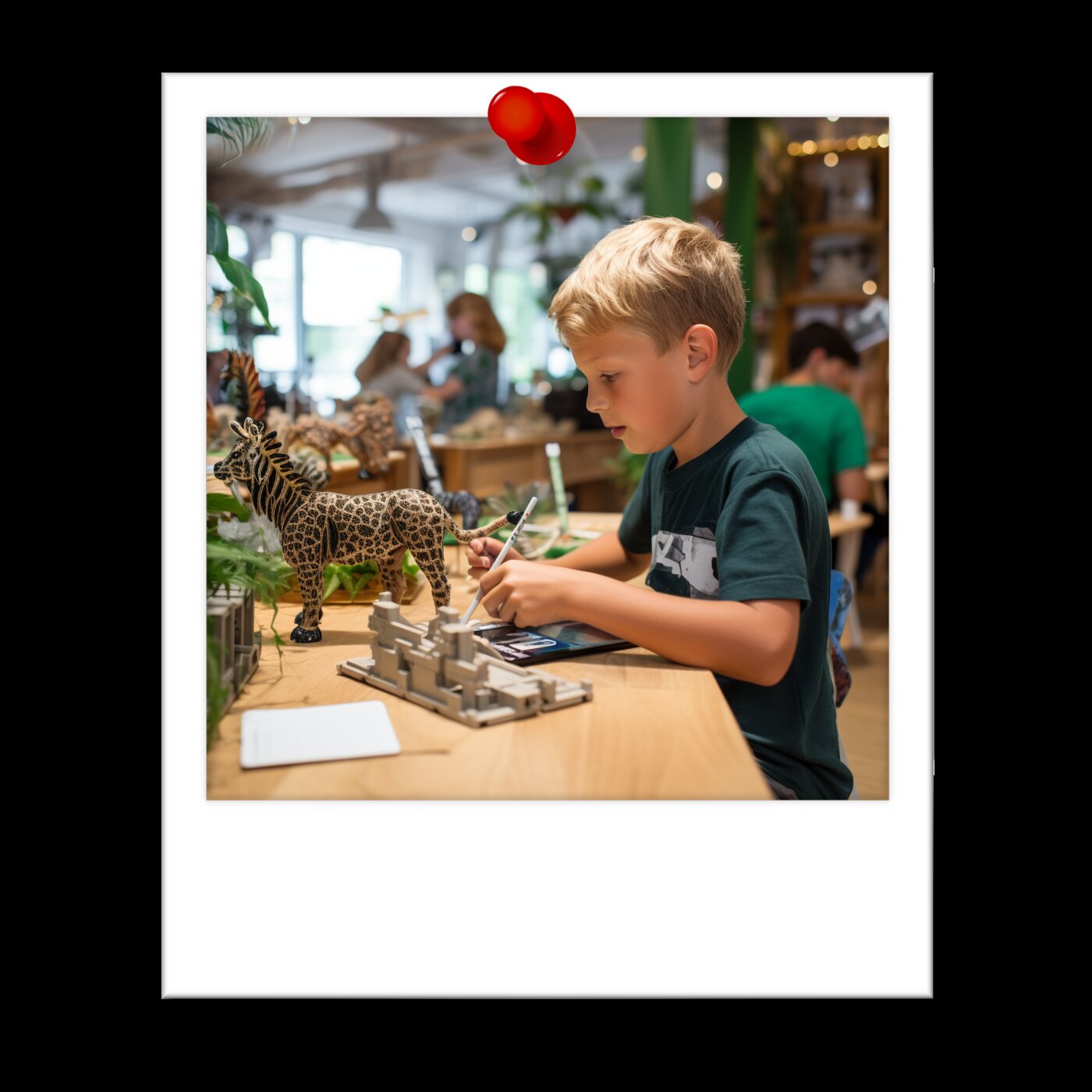
Despite their popularity, zoos often struggle to deeply engage children in learning about animal welfare and conservation. Traditional approaches — static signage, tablet-based information systems, audio guides — are frequently ignored or only superficially used, limiting the educational value of a visit. ZooDesign was created to address this gap through a playful, participatory design experience that positioned children not as passive learners, but as designers of technologies for animals.
By combining guided zoo tours, a structured card-based design game, hands-on prototyping, and role-play storytelling, ZooDesign invited children aged 8–12 to explore how animals might interact with technology — and what that means for learning, empathy, and design ethics. The method encouraged children to engage in speculative thinking grounded in real animal behaviour and welfare needs, creating rich opportunities for perspective-taking, cognitive empathy, and a deeper understanding of each species' physical and psychological requirements. Through tangible prototyping and storytelling, children were empowered to externalise their ideas, test their mental models, and articulate complex inter-species relationships.
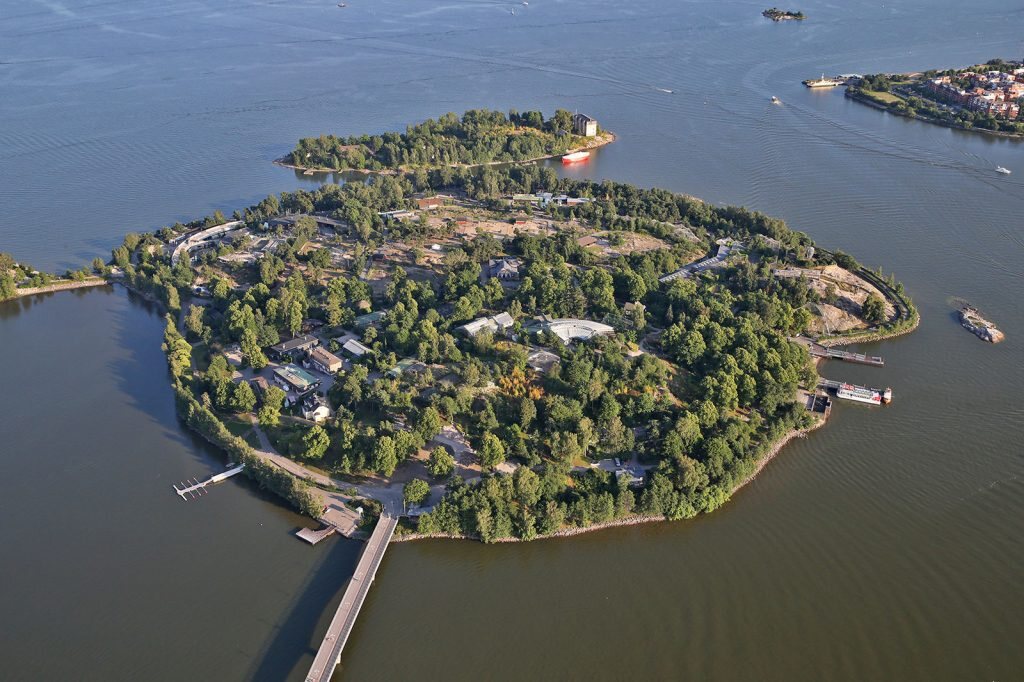
We trialled the method at a live workshop at Korkeasaari Zoo in Finland, analysing 22 designs produced by the children. ZooDesign revealed both the promise and the complexity of involving children in designing for animal-involved technologies. While many children demonstrated strong empathy and welfare awareness, their designs often excluded themselves entirely, instead foregrounding the animals and adult zoo staff — highlighting subtle tensions in how children perceive their own role, and agency, within educational zoo technologies.
My contribution
As co-lead researcher I helped develop and deliver ZooDesign from concept through to evaluation. I co-designed the full workshop experience — combining educational framing, a guided animal tour, interactive ideation tools, and a playful role-play interview activity. I helped create the card-based design game, building animal and enrichment ideation cards that scaffolded children's thinking around welfare categories such as food, social, sensory, and cognitive enrichment. I led hands-on prototyping and reflection activities, enabling children to sketch, build, and narrate their speculative zoo technologies using mixed materials. I co-led the qualitative analysis of the 22 child-generated concepts, and co-authored and presented the findings at IDC 2021.
Process overview
ZooDesign was developed to explore how children could meaningfully contribute to the design of animal-focused technologies — while deepening their own understanding of welfare and species needs. The process combined structured design activities, creative play, and real-world zoo experiences to support perspective-taking and critical engagement. By guiding children through observation, ideation, prototyping, and storytelling, we created a playful but grounded environment in which they could consider not just what animals might want, but how we can responsibly design for other species. The method was carefully scaffolded to balance creative freedom with educational framing — supporting learning outcomes while capturing valuable insight into children's mental models of animals, technology, and their own roles in between.
1 · Establishing the concept — designing with, not just for, animals
The project began with a provocation: what if we treated zoo animals as participants, rather than just subjects, in the design of digital enrichment technologies? This first stage was about defining the project's values, objectives, and initial methods. We wanted to create a space where children could explore interspecies design while considering both technical innovation and animal welfare — going beyond traditional HCI approaches by integrating participatory, speculative, and performative methods into a framework that children could confidently engage with.
Defining the design challenge
We partnered with the zoo to co-develop a brief centred on animal enrichment — the creation of playful, stimulating, and welfare-positive experiences for zoo animals. Our central design challenge was deliberately demanding:
Rather than focus on visitor-facing technology or education, we directed the children's attention to the animals themselves as the end users. This flipped the typical logic of an educational zoo exhibit and required a radical shift in both perspective and approach.
Collaborative scoping with the zoo
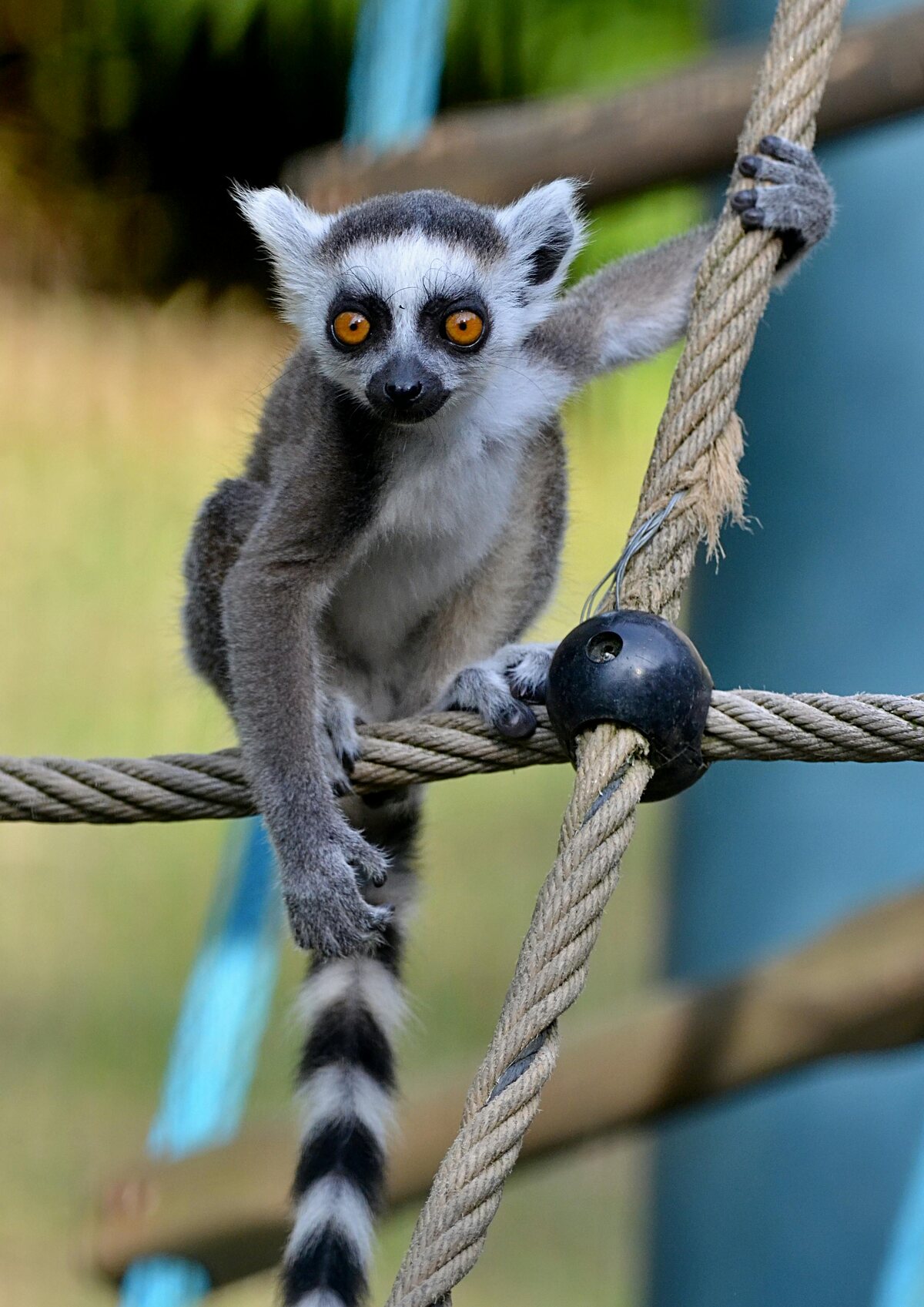
Our team met with zoo staff across animal care, education, and digital engagement. These conversations grounded the project in the real-world constraints of zoo environments — safety protocols, species-specific behaviours, keeper routines — and identified potential focal species, including lemurs, meerkats, tortoises, and birds. Critically, they surfaced an inherent tension between playfulness and welfare: could a child's idea of "fun" for an animal unintentionally be harmful or stressful? Through this process we refined our research questions and built a shared understanding of what "ethical" and "enriching" actually meant in a zoological context.
Early themes and principles
From this foundational phase we defined several key themes to guide the rest of the project:
- Animal agency — technologies should offer meaningful choices or actions to animals, not force behaviours.
- Ethical imagination — children would be encouraged to consider both the potential benefits and the potential harms of their designs.
- Multispecies empathy — activities would support perspective-taking, asking not "what would I like?" but "what might this animal enjoy?"
We also identified the need to avoid anthropocentrism — encouraging children to think in sensory terms (smells, movement, textures) and using metaphors and prompts that centred the animal's experience rather than the human's. A central aim from the outset was not only to produce creative animal-facing technologies, but to use design as a medium for developing interspecies empathy: could role-play, sensory exercises, and speculative thinking help children imagine new relationships with non-human others, fostering ethical awareness and a deeper interest in conservation?
2 · Participatory design with children
This stage focused on creating meaningful, hands-on opportunities for children to design speculative enrichment technologies — framed through the lens of welfare, empathy, and ethical imagination. Drawing on participatory and speculative design traditions, we developed a multi-phase workshop model that supported structured creativity grounded in animal-centred thinking.
Reframing the zoo: from visitor to designer
The workshop opened with a framing talk and a guided zoo tour. The goal here was attitudinal as much as informational — we wanted children to shift from passive observers to active designers, thinking not about what animals look like, but about what they need. Children were introduced to key concepts of animal welfare, behaviour, and enrichment, and zoo guides encouraged them to observe not just the animals but the enclosures, spaces, movement patterns, and behavioural cues. Real-world examples of enrichment — puzzle feeders, scent trails, social structures — helped establish a vocabulary for thinking about animal needs and preferences. This scaffolded empathy as situated observation, encouraging children to base their ideas on real sensory and behavioural context rather than anthropocentric assumption.
Ideation through a custom card game
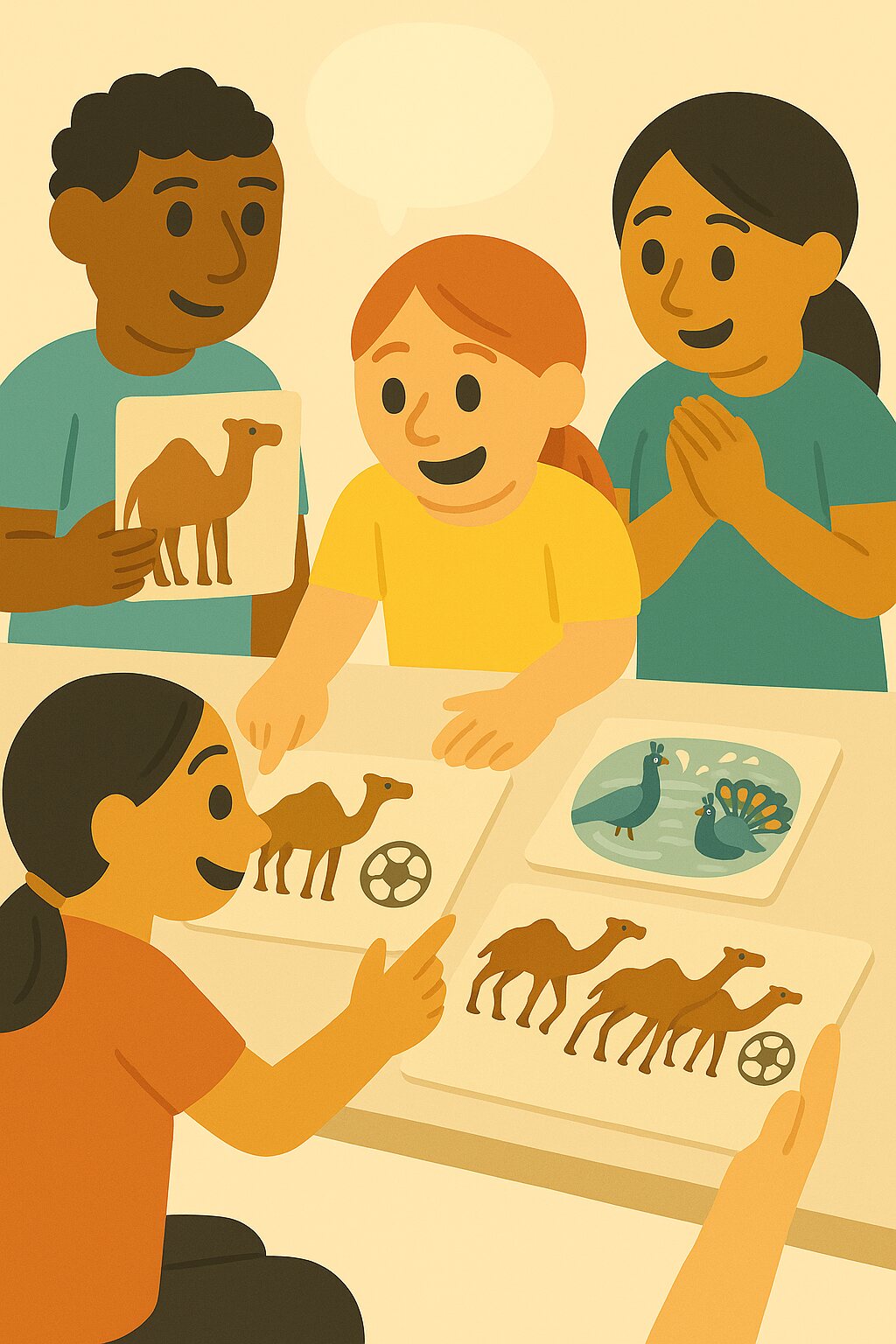
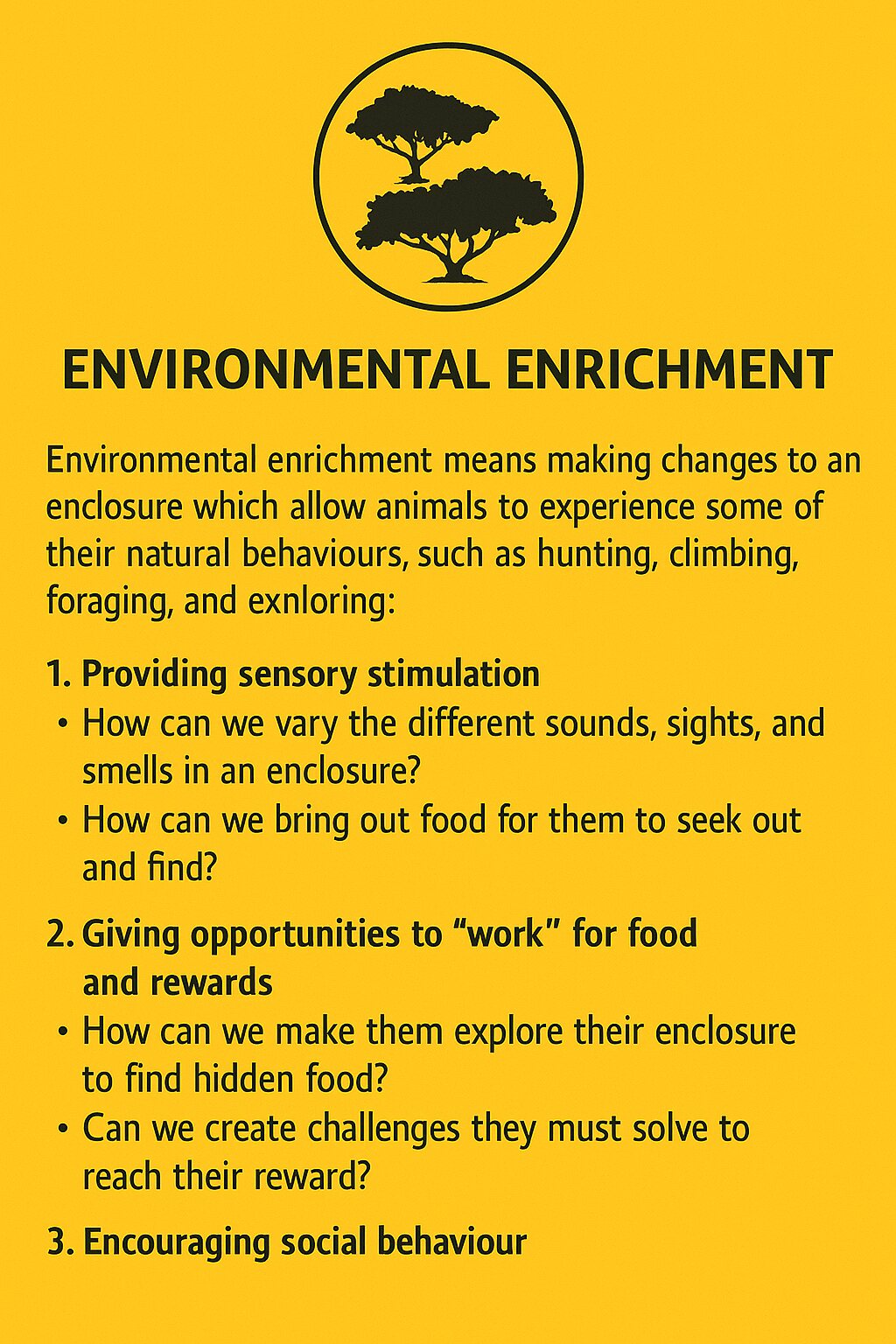
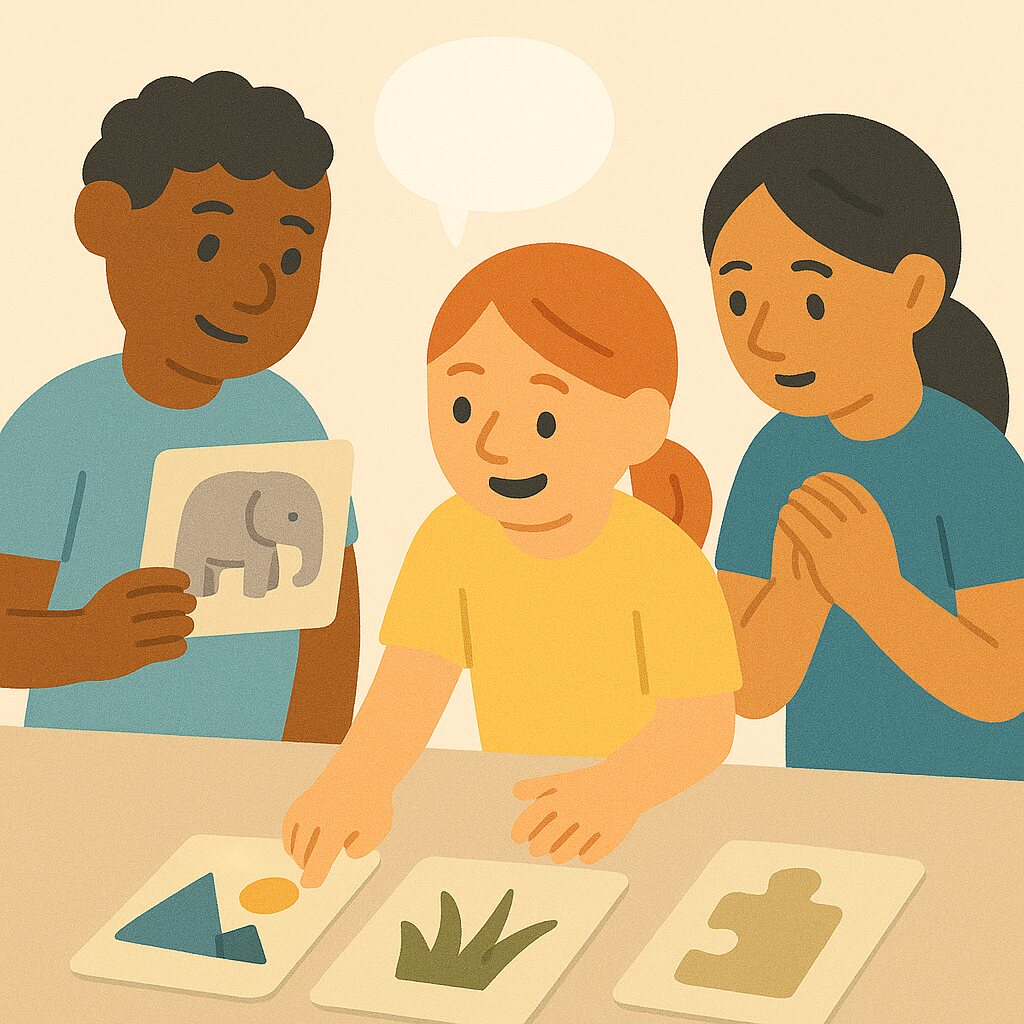
Following the tour, children played a custom-designed card game — the core ideation tool of the workshop. Each team received a mix of cards from three categories:
- Animal — the species their design would be for.
- Enclosure — the type of environment that animal inhabited.
- Enrichment goal — the specific behavioural or welfare theme, such as cognitive stimulation, a feeding challenge, or social bonding.
This structure grounded the design process while still enabling playful, divergent thinking. Children were asked to consider how their animal senses and interacts with the world, to identify what kinds of stimulation or challenge might be enriching, and to combine ideas into speculative but welfare-informed technologies. By directing attention to sensory modalities, habitat conditions, and psychological needs, the game helped children decentre the human and think with animals as stakeholders.
Prototyping with materials and imagination
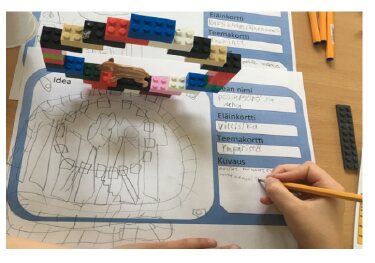
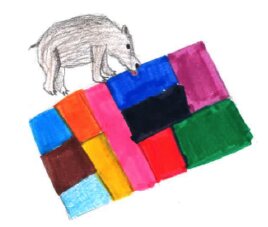
With ideas formed, children moved into hands-on prototyping using LEGO, toy animals, drawing tools, and recycled craft supplies. The aim was not realism or technical feasibility, but rather embodied speculation. Prototyping pushed children to grapple with scale, positioning, durability, and safety; to think about how the animal would actually use the technology, and how staff might support or maintain it; and to explore interaction models — touch, movement, scent — in physical terms. Children built scent-triggered tunnels for meerkats, music balls for lemurs, and underwater treat dispensers for sea lions. This material phase surfaced assumptions and gave form to empathy, enabling children to externalise their mental models in a tactile, reflective way.
Role-playing to surface perspective and ethics
Each team then presented their prototype through a short role-play, adopting the perspective of the animal using the technology, the zookeeper managing it, or the technology itself as an expressive artefact. This phase had multiple purposes: to encourage narrative reflection on how the technology would function in daily life; to reveal the team's assumptions about agency, welfare, and choice; and to shift the conversation from what the design does to how the animal might feel or react. Interestingly, many children framed animals as autonomous agents rather than passive recipients — some deliberately removed human users from their concepts altogether, designing systems where the animal and the technology interacted independently. This storytelling became a form of ethical speculation, helping children articulate unspoken values through questions such as:
- "Would this be fun for the animal, or annoying?"
- "How would it know what to do?"
- "What if it doesn't want to play?"
3 · Interpreting children's designs as ethical and empathic artefacts
Following the workshop, we shifted focus to understanding the creative outputs not just as design solutions, but as expressions of children's values, assumptions, and empathic reasoning. Prototypes, sketches, presentations, and role-plays were analysed as speculative provocations — each one reflecting how children imagined technology shaping animal lives. Our analysis was qualitative, interpretive, and grounded in a belief that children's ideas can reveal genuine ethical insight when properly scaffolded and contextualised.
Designs as windows into interspecies thinking
Across the workshop groups we saw an impressive range of imaginative technologies that blended playfulness with species-specific insight. Ideas included a scent-triggered game tunnel for meerkats to encourage foraging and movement; a VR headset for tortoises enabling virtual migration to warmer habitats; a music ball for lemurs that generated soundscapes through touch; an interactive wall projection that let birds tap icons to change their virtual surroundings; a puzzle-feeder toy for marmots; a button-controlled sound system for sea eagles with temperature regulation and hanging toys; a digging sensor measuring how actively wild boars rooted around, linked to variable food output; a boar-sized Ferris wheel and train forming a zoo transport system; a drone-chase activity for camels with food released mid-run; a self-activated camel shower system; and a lickable colour palette for bears, allowing them to reveal their taste and visual preferences through interaction.
Having captured this wide range of outputs, our analysis focused on how children's participation reflected shifts in ethical awareness — particularly around welfare, interspecies empathy, and emerging conservation values. Rather than rely on formal metrics, we assessed change through children's language, reasoning, and design decisions, looking for signs of perspective-taking, affective concern, and ethical imagination. It was clear that ZooDesign had provoked more than playful creativity: it created space for children to reimagine human–animal relationships in ethically meaningful ways. Four themes captured this most clearly.
Ethical awareness in action
As children described, justified, and enacted their designs, we noted multiple indicators of ethical reflection: attention to animal agency ("They can start it if they want, but they don't have to"); concern for sensory overload or irritation ("No flashing lights — it could scare them"); and discussions of fairness, boredom, privacy, and emotional needs. A handful of ideas even critiqued zoo structures themselves — animals controlling what visitors could see, or systems that let animals choose their own roommates — hinting at a budding sense of animal deservedness and rights. Many of these insights were spontaneous and internally motivated; they emerged not through direct prompting but from the situated nature of the task. Children weren't just drawing animals; they were designing for them, which required thinking with them.
Perspective-taking and empathic reasoning
Throughout the workshops we saw children begin to use language that indicated genuine perspective-taking — speaking as or for the animal during role-play ("The animal can decide. We don't get to pick everything"), considering how a design would feel from the animal's point of view, and making adjustments based on imagined reactions ("He might think it's a trap if it moves too fast"). This marked a key shift from a visitor mindset to a cohabitant mindset, in which animals were not objects of interest but active agents with needs, desires, and boundaries — perceiving the world differently from humans, holding individual personalities and preferences, and potentially experiencing technology in ways that demand respect and subtlety.
From fun to welfare thinking
Initially, many children began with ideas that prioritised novelty or entertainment — mirroring the kinds of interactions they themselves enjoy. As the workshops progressed, their focus shifted. Designs became simpler, more purposeful, and more aligned with the animal's context and skills: tortoises got low-frequency vibration cues; lemurs got auditory stimulation; sea lions were offered underwater treat dispensers. Several children emphasised giving animals control, building in buttons, triggers, or opt-in mechanisms so the animal could start, stop, or modify the experience on its own terms. Teams discussed how a design would support wellbeing, not just amuse, and role-plays revealed an evolving logic of "what's good for the animal," not just "fun for the audience." These patterns suggest design participation served as an entry point into conservation-oriented thinking, grounded in care and curiosity rather than instruction or guilt — a growing awareness of enrichment as a form of care, a concept rarely encountered by children outside specialist contexts.
Language of conservation and relational thinking
While conservation was never a formal topic in the workshop, we observed conservation-related values emerging through the process: concern for enclosure design ("It's too small for a giraffe to run"), frustration at observed animal boredom or loneliness, and interest in using design to improve life rather than exhibit behaviour. Some children spontaneously asked, "Can this help him be happier?", "Would this be allowed in a real zoo?", and "What if we could use this for wild animals too?" These questions indicated that designing for animals became a gateway to wider ethical reflection — including how humans impact animal lives across contexts. This relational stance, one of co-existence, responsibility, and imaginative solidarity, was among the most meaningful outcomes of the project.
4 · Reflections on method and pedagogy
ZooDesign offers lessons for participatory design, ethical learning, and the dynamics of co-creation with children.
Design as ethical pedagogy
One of our core takeaways was that designing for others — especially non-human others — can act as a uniquely powerful ethical and empathic learning tool. Children were not simply "learning about" welfare or conservation in the abstract. They were placed in a position of responsibility, with briefs that centred animal wellbeing; offered tools and scaffolding to imagine the world through another's experience; and given creative autonomy within real-world constraints of species, enclosure size, and behavioural need. This structure enabled ethical reasoning to emerge naturally rather than didactically, supporting children to wrestle with questions of fairness, pleasure, stress, and choice within a context that was embodied, playful, and grounded in real species.
Rethinking participation in participatory design
In many design projects, "participation" can be shallow — framed around idea generation, feedback, or testing. In ZooDesign, participation became a form of perspective-taking. Children weren't just designing for animals; they were imagining what it means to live differently, and how that difference could be honoured through design. This raised important questions about how participatory methods can account for non-verbal, non-human users; whether co-design can be truly mutual when one participant lacks language; and what forms of speculation, narrative, or affective engagement can help bridge that gap. The project reaffirmed the value of ethically charged, speculative design as a participatory tool — especially when the user cannot speak for themselves.
Blending creative freedom and structured scaffolding
The workshop deliberately combined real-world input (animal tours and keeper insights), scaffolding tools (card games, prompts, prototyping materials), and open-ended creativity (role-play, narrative, divergent thinking). This balance proved highly effective: children remained grounded in real needs yet were empowered to imagine unusual, provocative solutions, and the ethical dimensions emerged naturally without top-down instruction. Educators noted how well the format supported cross-curricular aims, bridging science, art, citizenship, and technology.
Expanding the frame of empathy — and its limits
While our starting point was animal welfare, the project surfaced wider ethical frames. Some children began questioning zoo structures, human–animal hierarchies, and the role of technology in mediating those relationships; a few suggested their designs could be used beyond the zoo — in the wild, in shelters, or even in human–animal homes. This highlighted that ethical design can be a gateway to systems thinking, helping children move beyond isolated artefacts to consider ecologies of care, power, and cohabitation.
The work had real limits. Many ideas, while creative, revealed persistent anthropocentric assumptions — imagining animals enjoying music or VR — and while empathy increased, it did not always translate into ecological or critical awareness. This led us to reflect on how to better scaffold critical literacy about human–animal systems, when and how to introduce more explicit conservation framing, and the importance of follow-up activity, especially with schools. These limits were instructive: they reminded us that ethical growth is incremental, and that creative participation can be a starting point — not an end — in conservation education.
Selected publications
Hirskyj-Douglas, I., Gray, S. & Piitulainen, R. (2021). ZooDesign: Methods for Understanding and Facilitating Children's Education at Zoos. Interaction Design and Children (IDC 2021), pp. 204–215. DOI: 10.1145/3459990.3460697
Keep exploring
More case studies
Connecting Through Culture
Co-designing digital products to support healthy ageing.
View case study →
Data education in schools
UX and design strategy for live-streamed, interactive educational experiences.
View case study →
BrainQuest
A mobile exergame to promote children's cognitive and emotional regulation.
View case study →