Children · Exergaming · Mobile
Critter Jam
A location-aware mobile exergame that turns the school playground into a fantasy world — transforming sedentary screen time into bursts of physical activity through chasing, escaping, collecting, and play co-designed with children themselves.

Critter Jam is a location-aware mobile exergame, initially developed in 2011 — years before popular titles like Ingress and Pokémon Go brought real-world location play into the mainstream. Its primary goal is to address a critical public-health issue: physical inactivity among children. By combining engaging gameplay with physical movement in real-world locations, Critter Jam encourages children to adopt more active lifestyles, transforming traditionally sedentary gaming time into physically active play.
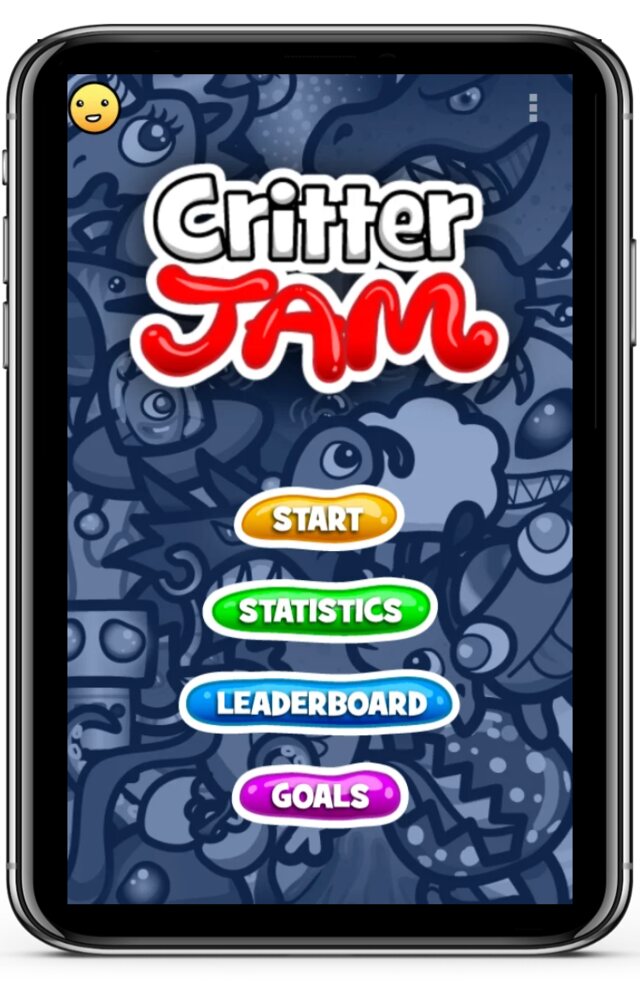
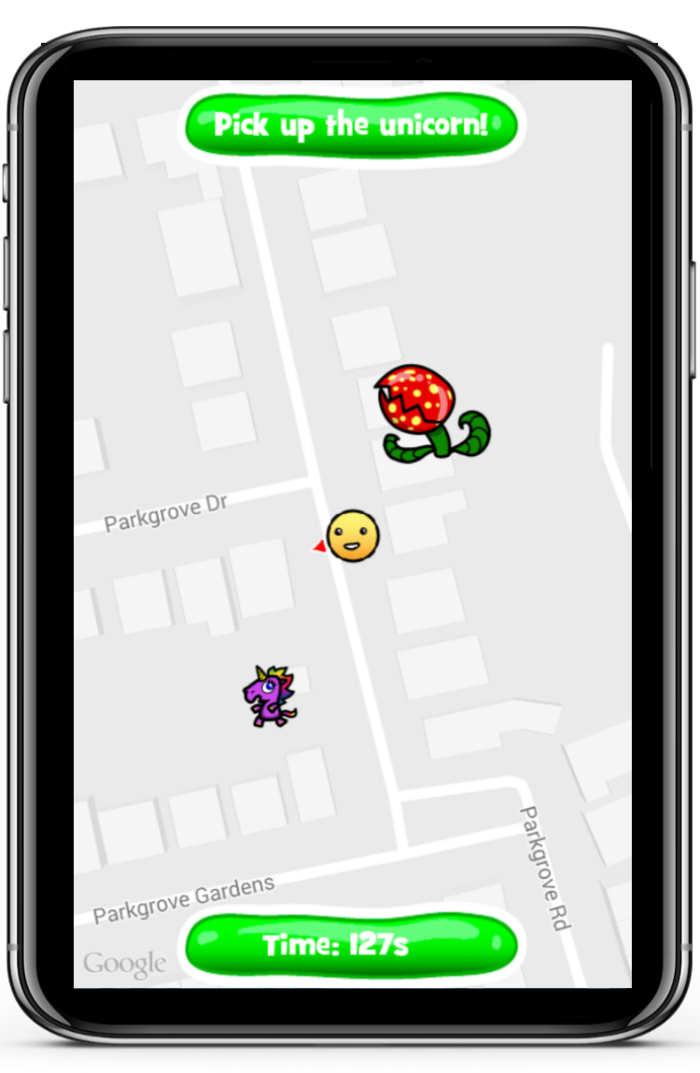
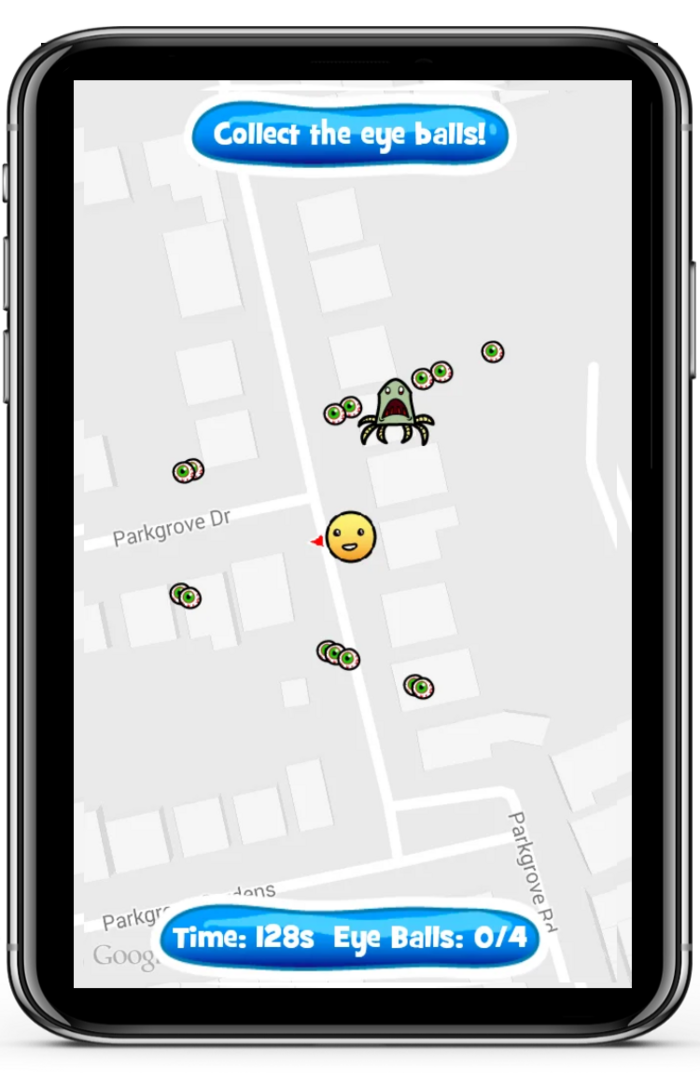
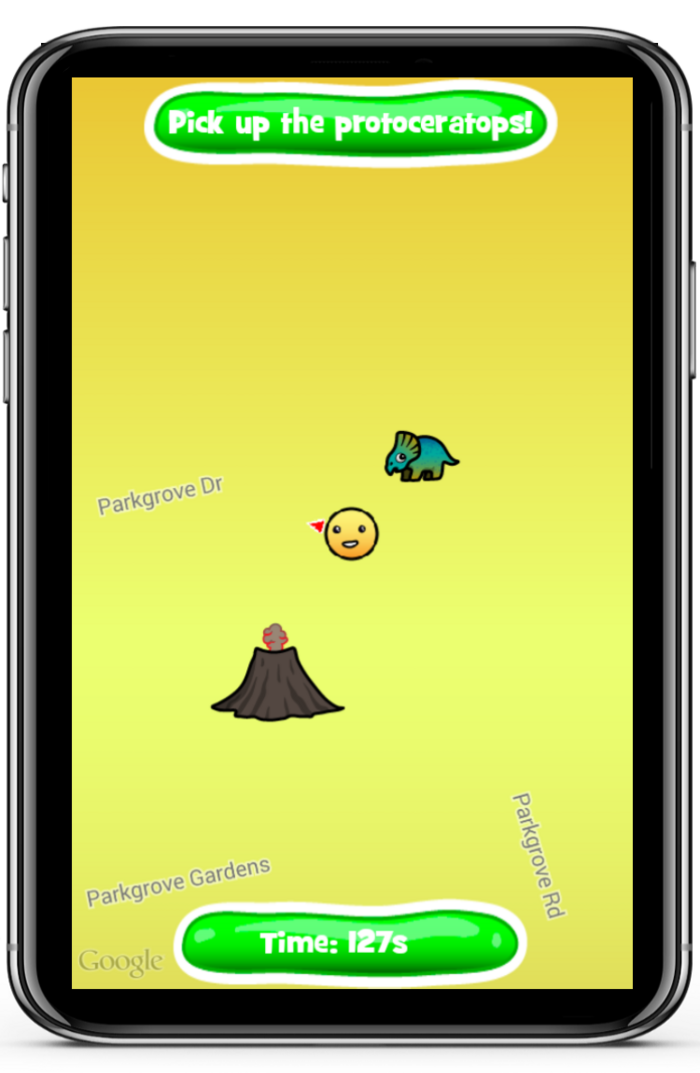
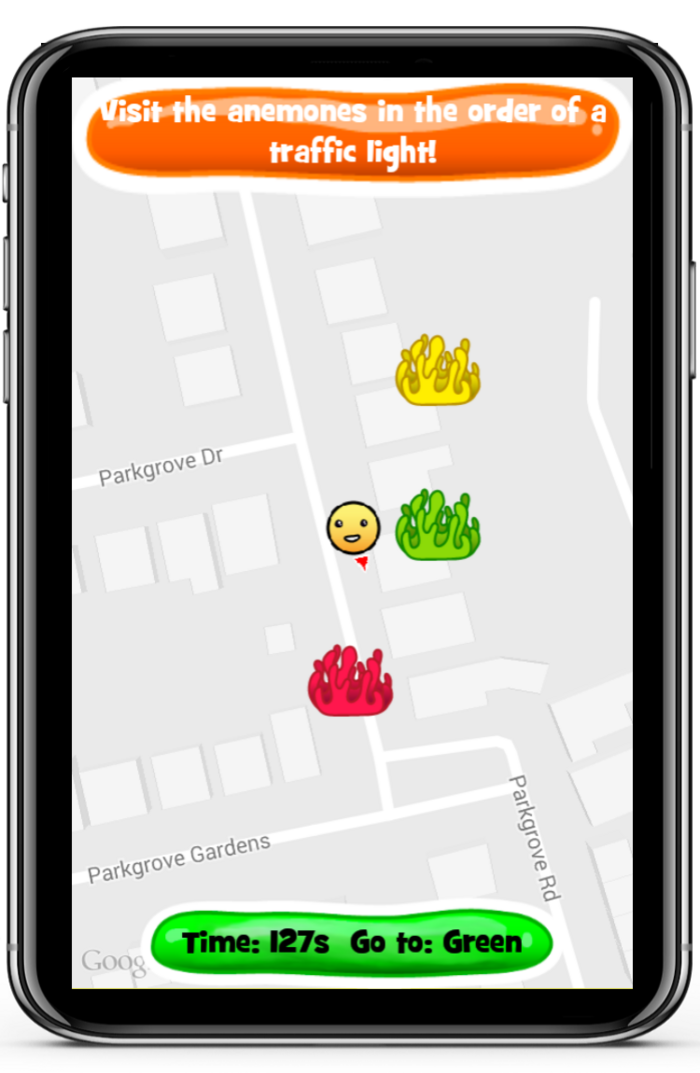
Players interact with the game through a Google Maps interface that overlays fantasy-themed characters and objectives onto their real-world environment. Critter Jam includes five distinct thematic worlds — Mushi Monsters, Star Whats, Dangerous Dinosaurs, Underwhatevs, and Farm Funnies — each with gameplay modes inspired by traditional playground activities like tag, obstacle navigation, and object collection. When I joined the project, my task was to evaluate and address the usability and engagement problems inherent in the original prototype, iFitQuest, and to redevelop and refine the game to better meet user needs and enhance player motivation and enjoyment.
My contribution
I led the UX redevelopment of Critter Jam, grounded in extensive user research and testing. I identified the key usability and engagement issues in the original version; personally developed the Android build in Java, applying UX principles through iterative prototyping; planned and facilitated participatory design workshops with primary-school children; and used activities such as Crazy 8s, group sketching, and consensus reviews to align the game design with children's play motivations and preferences.
Design process
The Critter Jam project followed a multi-stage design process rooted in behavioural theory, participatory methods, and iterative technical development. Beginning with a critical analysis of the original iOS prototype, iFitQuest, the work involved a full redevelopment of the app for Android to support a randomised controlled trial across UK schools. Insights from that trial — both technical and motivational — informed a fundamental redesign that placed children's voices at the centre of the experience. Through creative workshops, paper prototyping, and the direct involvement of pupils as co-designers, we transformed the platform from a single-mode exergame into a modular, fantasy-rich suite of physical-activity mini-games. Each stage, from system-level optimisation to visual design, was guided by real-world use constraints and children's evolving preferences, resulting in a more engaging, inclusive, and scalable tool for promoting physical activity in school settings.
1 · Project background & challenge
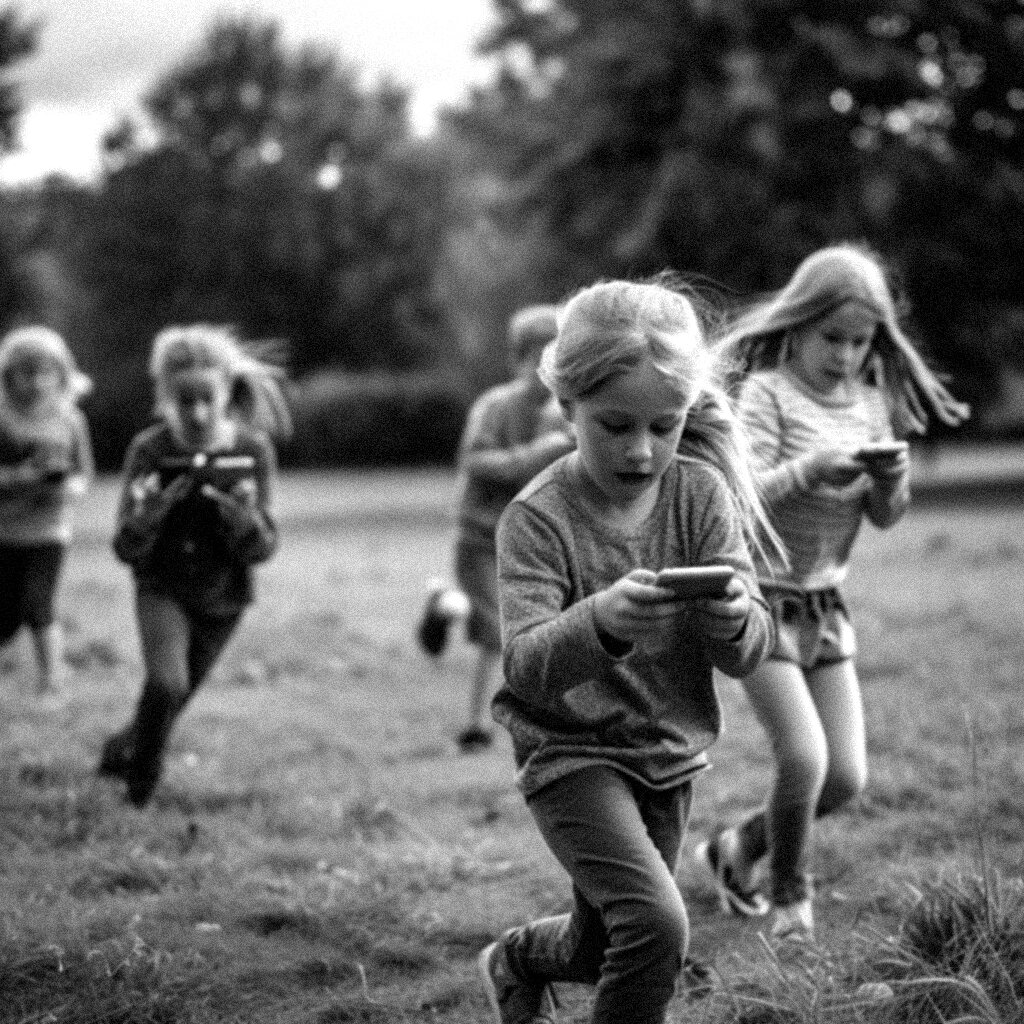
iFitQuest was originally developed as a mobile exergame to promote moderate-to-vigorous physical activity (MVPA) among children aged 8–12. Grounded in behaviour-change theory and designed to be played during school break times, the game used GPS tracking and accelerometer data to encourage outdoor movement. Children interacted with the game through real-world locomotion — completing missions by walking or running to virtual checkpoints, collecting tokens, and avoiding antagonists in chase-style games.
This format aimed to tackle rising levels of childhood inactivity by embedding physically active play into familiar digital experiences. Early testing suggested strong engagement with the game concept and characters, and preliminary feedback from pupils and teachers highlighted the potential for curriculum-aligned integration.
Limitations exposed by a planned trial
When the university prepared for a large-scale randomised controlled trial (RCT) to formally assess the game's health impact, several limitations became apparent:
- Platform exclusivity. iFitQuest was built for iOS, but the participating schools used Android tablets and devices for cost and compatibility reasons. Without an Android version, the study risked being limited in scale or skewed in demographic reach.
- Device constraints in schools. The iOS build had never been tested on the low- to mid-range Android devices commonly issued in schools. Redevelopment was needed not only to re-code in Java but to ensure the app ran smoothly on constrained hardware — particularly around GPS polling, step-count smoothing, and battery usage.
- Structural rigour for evaluation. For the RCT, the game needed to support consistent, measurable gameplay sessions that could be tracked and compared across school environments — reliably logging movement data, standardising game durations, and supporting secure data sync for multi-session tracking.
As a result, the research team commissioned a full technical redevelopment of iFitQuest for Android — maintaining the original game structure while upgrading it for wider deployment, school-ready performance, and robust data capture, paving the way for a formal evidence base in the public-health and educational domains.
2 · Re-implementation for Android
Following the decision to redevelop iFitQuest for Android in preparation for the RCT, the primary objective was to create a technically robust and functionally equivalent version of the original iOS app. This was not a direct port: the new Android build had to account for major differences in device ecosystems, user-interaction models, and deployment environments.
Technical adaptation
I rebuilt the app natively in Java using Android Studio, ensuring compatibility with the wide range of devices used across participating schools. This required:
- Rebuilding GPS and motion tracking — adapting step detection and location updates for Android sensors and services.
- Optimising for constrained hardware — particularly battery consumption, GPS polling frequency, and memory usage.
- Recreating core gameplay systems — timed missions, virtual antagonist logic, and token collection within defined play areas.
- UI adaptation — responsive layout behaviour and accessibility across various screen sizes and Android versions.
Practical constraints
Because the app would be deployed in schools with limited technical support, reliability and ease of use were prioritised. I established minimum performance benchmarks — load times, crash rates, and battery use per session — and tested the app against common playground-based challenges:
- Varying playground sizes, physical obstructions, and signal conditions.
- Network switching between intermittent Wi-Fi and mobile data, and device restrictions such as app-locking and limited background processing.
- Short, repeatable sessions compatible with school timetables.
Preparing for evaluation
In parallel, the Android version needed to meet the methodological standards required for formal evaluation in the RCT. This included standardising session structure to ensure consistent exposure across pupils and schools; implementing gameplay logging to capture anonymised usage data such as session counts, activity durations, and in-game goal completion; and designing for reproducibility, so the experience could be rolled out consistently at scale without in-person moderation.
By the end of this phase, the Android version of iFitQuest retained the original game's core behavioural goals but was now positioned for large-scale deployment and empirical testing — something the earlier prototype had not supported. This marked the first step in transforming the game from a proof-of-concept into a scalable public-health intervention.
3 · Evaluation through a randomised controlled trial
With the Android version completed, the next phase deployed the game across primary schools as part of a randomised controlled trial designed to evaluate its impact on physical activity levels, engagement, and behavioural outcomes. The RCT was conducted by an interdisciplinary team of public-health researchers, designers, and behavioural scientists, and formed the first large-scale empirical assessment of the platform's effectiveness.
Trial design
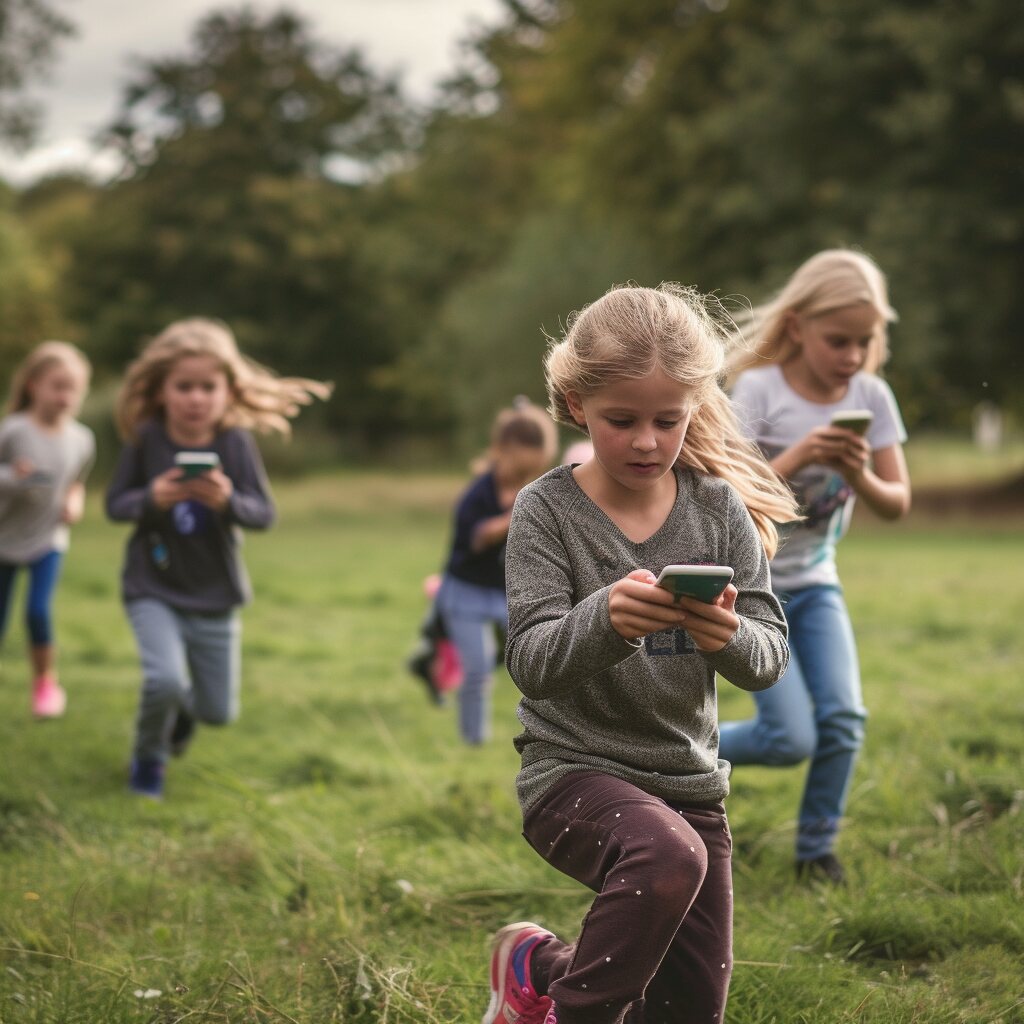
The study adopted a cluster-randomised format, with participating schools assigned to either an intervention or control group. Children in the intervention group were given access to iFitQuest via Android tablets and encouraged to play during designated periods — morning break or lunchtime — over a multi-week period. Key features of the evaluation design included:
- Objective activity tracking using wearable accelerometers to assess changes in MVPA during school hours.
- In-game telemetry capturing session frequency, mission completion, and movement metrics within the app.
- Pre- and post-intervention questionnaires measuring self-efficacy, attitudes towards physical activity, and engagement with the game.
- Qualitative follow-up, including interviews and observation sessions to understand the contextual factors influencing gameplay.
Key findings
While the game received positive qualitative feedback from children and teachers, the trial surfaced several critical insights:
- Inconsistent usage patterns. Technical limitations, school scheduling constraints, and uneven access to outdoor play areas led to highly variable usage across sites.
- Short bursts of engagement. Children responded well to short sessions but often reverted to other activities unless prompted or externally motivated.
- Infrastructure mismatch. Schools with small or indoor-only play areas found movement-based gameplay difficult, especially in poor weather.
- Positive self-efficacy outcomes. Where gameplay was sustained, many children reported feeling "fitter", "faster", and more confident in their ability to be physically active.
Implications for redesign
The RCT was a critical turning point. It validated the game's core appeal and motivational framing but exposed design limitations that restricted its real-world impact: a reliance on GPS-based outdoor movement, limited game variety that reduced long-term engagement, and a lack of personalisation and progression systems to sustain motivation.
These findings directly informed the decision to redesign the game from the ground up — not just as a digital intervention, but as a richer, more adaptable platform that could better accommodate the realities of school environments and children's varied play preferences. That new direction would become Critter Jam.
4 · User-centred redesign process
Following the RCT, it became clear that to increase the impact and longevity of the platform, a fundamental redesign was needed. The next phase shifted focus from technical evaluation to user-centred innovation, exploring how the game could better reflect children's motivations, imagination, and everyday constraints in school settings. This work formed the foundation of what would become Critter Jam.
Participatory design workshops
To meaningfully involve children in shaping the new experience, I planned and facilitated a series of participatory design workshops with pupils at a Scottish primary school. These workshops aimed to co-create new gameplay concepts, themes, and systems that resonated with real players. Activities included:
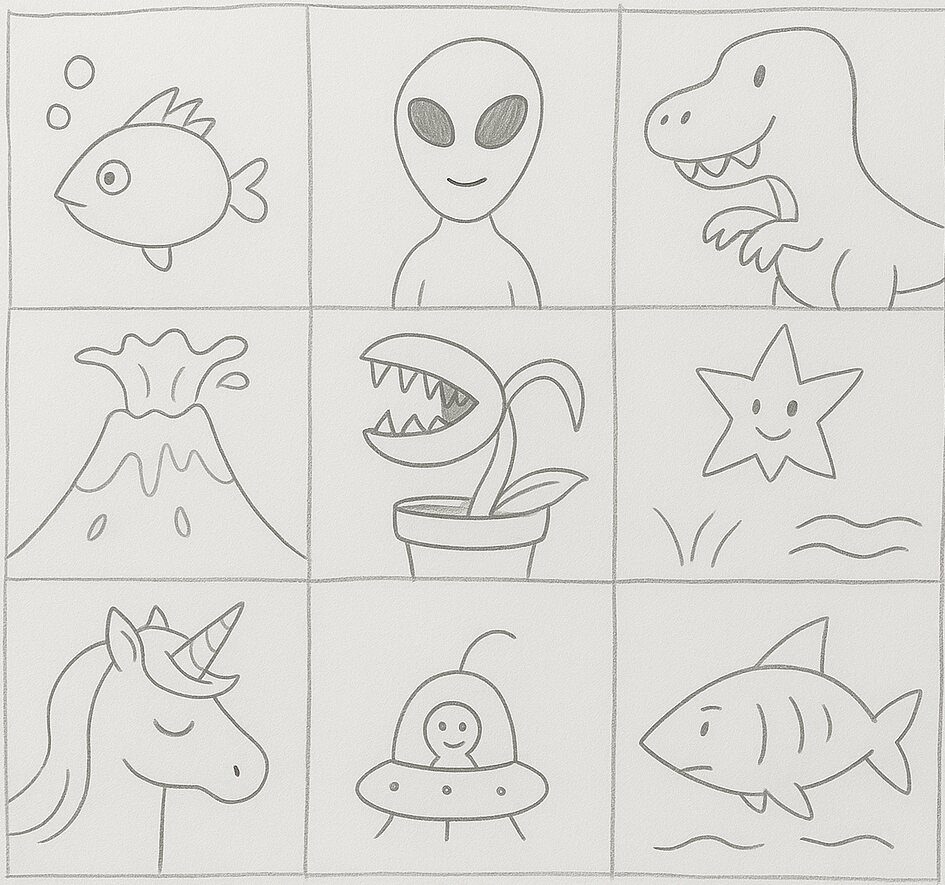
- Crazy 8 sketching sessions, where pupils rapidly generated ideas for characters, gameplay mechanics, and storylines.
- Paired ideation and group sharing, allowing children to combine, critique, and evolve each other's ideas in a collaborative format.
- Paper prototyping and scenario walkthroughs, where children acted out game concepts — such as evading dinosaurs or rescuing unicorns — using printed maps and obstacle layouts.
This process surfaced recurring themes in how children preferred to play: fast-paced action, imaginative creatures, short mission loops, and a desire for progression through unlocks and upgrades.
Shifting design philosophy
The original iFitQuest was structured around a single game mode with abstract representations of tokens and antagonists. Children's input revealed an appetite for much greater fantasy, humour, and choice. As a result, the new design direction introduced:
- Multiple themed game worlds, each with its own narrative framing and character set.
- Familiar playground dynamics — chasing, escaping, collecting, and delivering — reframed through surreal and comedic scenarios.
- Session-based play, structured into bite-sized, high-reward missions suited to school breaks and indoor movement.
By grounding the redesign in children's lived experiences and creative input, the project set the stage for a game that not only encouraged physical activity but was deeply aligned with how children actually wanted to play — regardless of school size, weather, or technology setup.
5 · Development of Critter Jam
With the new design direction established through participatory workshops, the next phase focused on translating those ideas into a fully developed, playable product: Critter Jam. This involved a collaborative development process between researchers, developers, and a professional game artist, aiming to produce a polished and flexible exergame grounded in children's creativity, humour, and diverse play preferences.
Theme-driven game worlds
Based on the concepts co-created with pupils, five themed game worlds were developed:
- Mushi Monsters — chaotic insect chases and bug-powered gameplay.
- Star Whats — light-hearted space adventures and alien mischief.
- Dangerous Dinosaurs — frantic escapes from prehistoric predators.
- Underwhatevs — a surreal underwater realm filled with drifting dangers.
- Farm Funnies — exaggerated barnyard chaos with animated farmyard characters.
Each world contained five unique mini-games, offering distinct mechanics, movement patterns, and visual narratives. Together, they transformed the experience from a single-mode prototype into a modular suite of 25 games, accommodating varied player interests and movement styles.

Artistic collaboration
A game artist joined the project to bring the children's creative ideas to life. Through close collaboration, children's sketches and verbal concepts were reimagined as original characters and game assets, retaining the playful tone of the workshops; a cohesive but varied visual style was developed across all five themes, maintaining aesthetic consistency while letting each world stand apart; and expressive animations, character feedback, and bold interface designs enhanced the sense of reward and momentum in each play session. This artistic input was crucial in making the game feel fun, recognisable, and rewarding — particularly for younger users with limited reading ability.
Gameplay & movement design
Building on earlier learning from the RCT, the new games were optimised for short, meaningful bursts of activity. Games lasted two to three minutes, with goals such as:
- Evasion — collect as many tokens as possible before being caught by a pursuing antagonist.
- Obstacle navigation — carry an injured unicorn or similar object across a trap-filled map to a safe zone.
- Collection sequences — gather and deliver items while avoiding hazards under time pressure.
The physical-movement requirements were adjusted to be achievable in both indoor and outdoor school environments, broadening accessibility and reliability.
Supporting autonomy through peer sharing
One critical change involved how performance feedback was shared. In iFitQuest, a public leaderboard had inadvertently alienated lower-performing players, undermining motivation and engagement. In Critter Jam, this was replaced with a friend-request system, allowing players to exchange progress data and compare achievements only with trusted peers. This approach preserved the motivational value of social comparison while supporting greater experience autonomy — letting children decide when and with whom to share their results — and aligned with broader research goals around promoting self-efficacy and inclusive gameplay environments.
Adaptive challenge & progression
Finally, the game included a tailorable difficulty system, adjusting elements such as antagonist speed, goal quantity, and time constraints based on the player's past performance. This ensured a balanced experience — difficult enough to remain engaging, but achievable enough to build confidence and encourage repeated play.
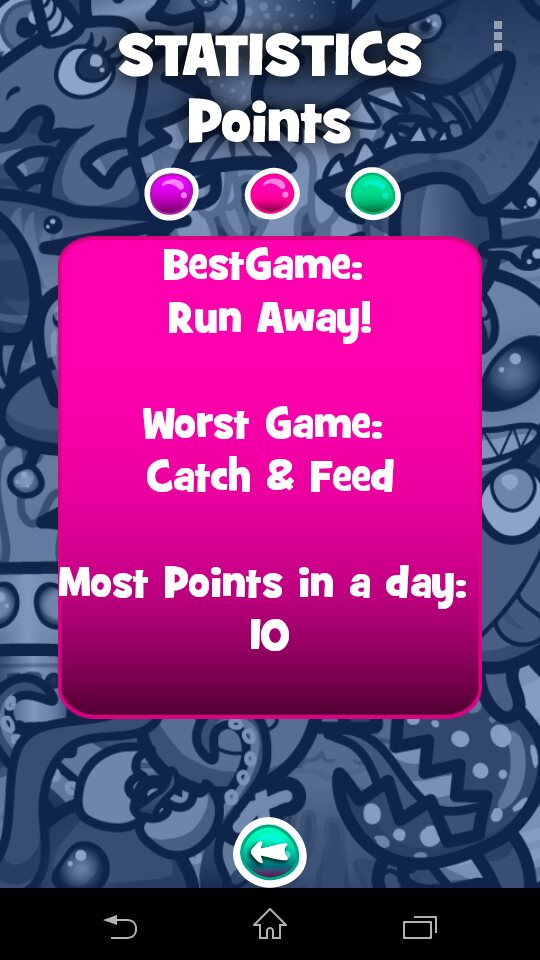
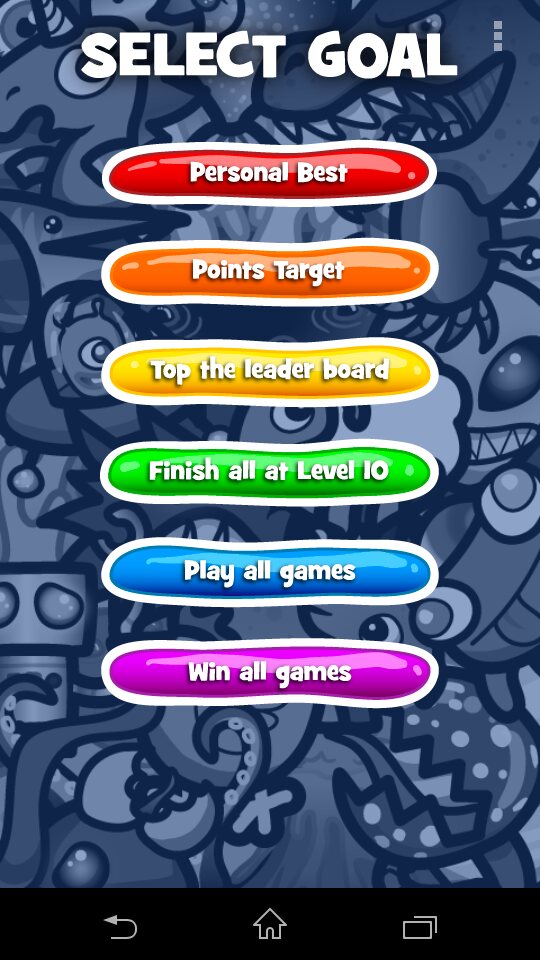
By the end of this development phase, Critter Jam had evolved into a playful, modular, and child-led platform for promoting physical activity — combining structured public-health goals with the freedom and creativity of real-world playground games.
6 · Outcomes & impact
The Critter Jam project culminated in the delivery of a fully functional, research-grade software platform designed to build on the foundations of iFitQuest. Drawing on user-centred design, behavioural theory, and technical reimplementation, Critter Jam was developed as a more engaging, flexible, and inclusive exergame — tailored for the realities of UK school settings.
Delivered output
At the end of the project, we had produced:
- A complete Android application comprising 25 short-form physical-activity games across five themed worlds, grounded in children's own design concepts.
- A functional tailorable difficulty system to support goal progression across different ability levels.
- An integrated friend-request system enabling private, child-led sharing of performance data, replacing public leaderboards.
- A modular technical foundation ready for use in future trials, with embedded logging, offline support, and optimised performance for classroom devices.
While a large-scale deployment did not follow immediately, the resulting software was explicitly designed to support further empirical testing — particularly to explore whether it could generate higher levels of MVPA than the original iFitQuest, especially in less structured or time-constrained school environments.
Future directions
Although the project did not proceed into broader evaluation or commercialisation during its initial funding cycle, Critter Jam remains a strong candidate for future development. With further investment and iteration, it could evolve into:
- A commercial digital-health product for schools, aligning with PE-curriculum goals or physical-literacy initiatives.
- A therapeutic tool to support activity in children with lower fitness or mobility confidence, where personalisation and non-competitive feedback are key.
- A behaviour-change platform extended beyond schools — for home use with family-based play, or integration into community health programmes.
Reflections
Critically, the project demonstrated that it is possible to co-create health-promoting games with children that remain fun, accessible, and sensitive to diverse ability levels. Designing alongside primary-school pupils reframed how I thought about engagement: the technical robustness gained through the Android rebuild and RCT mattered, but it was the children's imagination — their dinosaurs, aliens, and unicorns — that turned a compliance exercise into something they genuinely wanted to play.
Equally, the shift from public leaderboards to private friend sharing taught me that motivational mechanics can quietly exclude the very users a health intervention most needs to reach. Critter Jam offers not only a working example of inclusive, child-led design but a strong technical and conceptual foundation for further research and design in children's physical activity.
Selected publications
Robertson, J., Jepson, R., Macvean, A. & Gray, S. (2016). Understanding the importance of context: A qualitative study of a location-based exergame to enhance school children's physical activity. PLOS ONE, 11(8), e0160927.
Keep exploring
More case studies

VR100
Using design fiction and immersive theatre to explore the ethics of VR.
View case study →
ZooDesign
A novel design method to facilitate children's education at zoos.
View case study →
Connecting Through Culture
Co-designing digital products to support healthy ageing.
View case study →