Digital health · Games
SpaceVision
A participatory approach to the evaluation and child-centred redesign of a game for diagnosing children's eye disease.
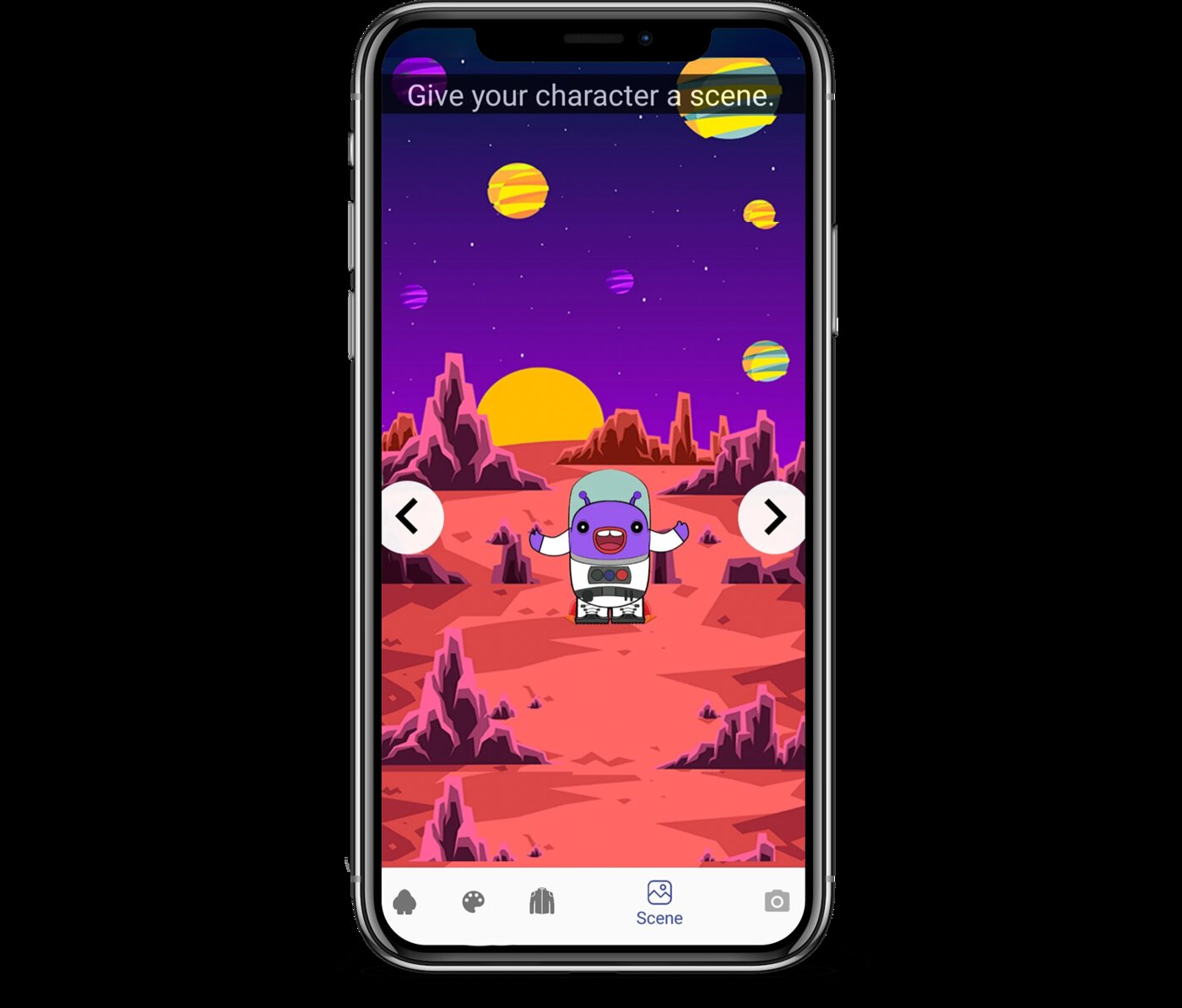
OKKO Space Vision was developed to explore how game mechanics could be harnessed to screen children's visual acuity — without relying on bulky, specialist equipment or stressful clinical environments. Building on insights from my earlier research (Gray et al., 2018, 2021) into the complexities of preschool video-game play and the design of serious games for vision screening, Space Vision combined the clinical vanishing optotype technique with playful story elements to keep children motivated during testing.
By deploying the software on tablets commonly available in clinics, the project aimed to improve the reliability and consistency of early visual assessments, reduce clinic overheads, and increase engagement for children who might otherwise resist repetitive eye tests. It also set the stage for a more ambitious goal: robust, in-home monitoring tools that could one day free families from frequent clinic visits.
My contribution
I was commissioned to redesign and optimise Space Vision with a user-centred focus. My work involved identifying player challenges with the original prototype through research and playtesting; leading the redesign of the game's interface, mechanics, and engagement model; ensuring the experience was accessible and enjoyable for children while still capturing accurate data for clinicians; and applying participatory methods to guide improvements with end users. The deliverables spanned playtesting, workshops and interviews, digital storyboarding, paper-based ideation, thematic analysis, and Android development (Android Studio, Java, Photoshop, Illustrator).
Design process
This project unfolded over five key phases: understanding the original concept and clinical context, defining user needs through observation and field research, evaluating the initial Space Vision prototype with children, co-designing new ideas through participatory workshops, and delivering recommendations for a redesigned experience. Each stage carefully balanced clinical accuracy with child engagement.
1 · Understand — exploring the problem space
Childhood amblyopia — colloquially "lazy eye" — relies on early detection and prolonged monitoring of visual acuity, traditionally conducted in clinical settings. But conventional methods present persistent challenges:
- Overburdened clinics. Ophthalmology is the busiest outpatient speciality in the UK, with long waiting lists and limited appointment availability.
- Patient disruption. Repeated clinic visits interrupt children's school routines and parents' work schedules.
- Sparse data points. Standard clinical assessments offer limited insight into how a child's vision evolves between appointments.
An attempted solution
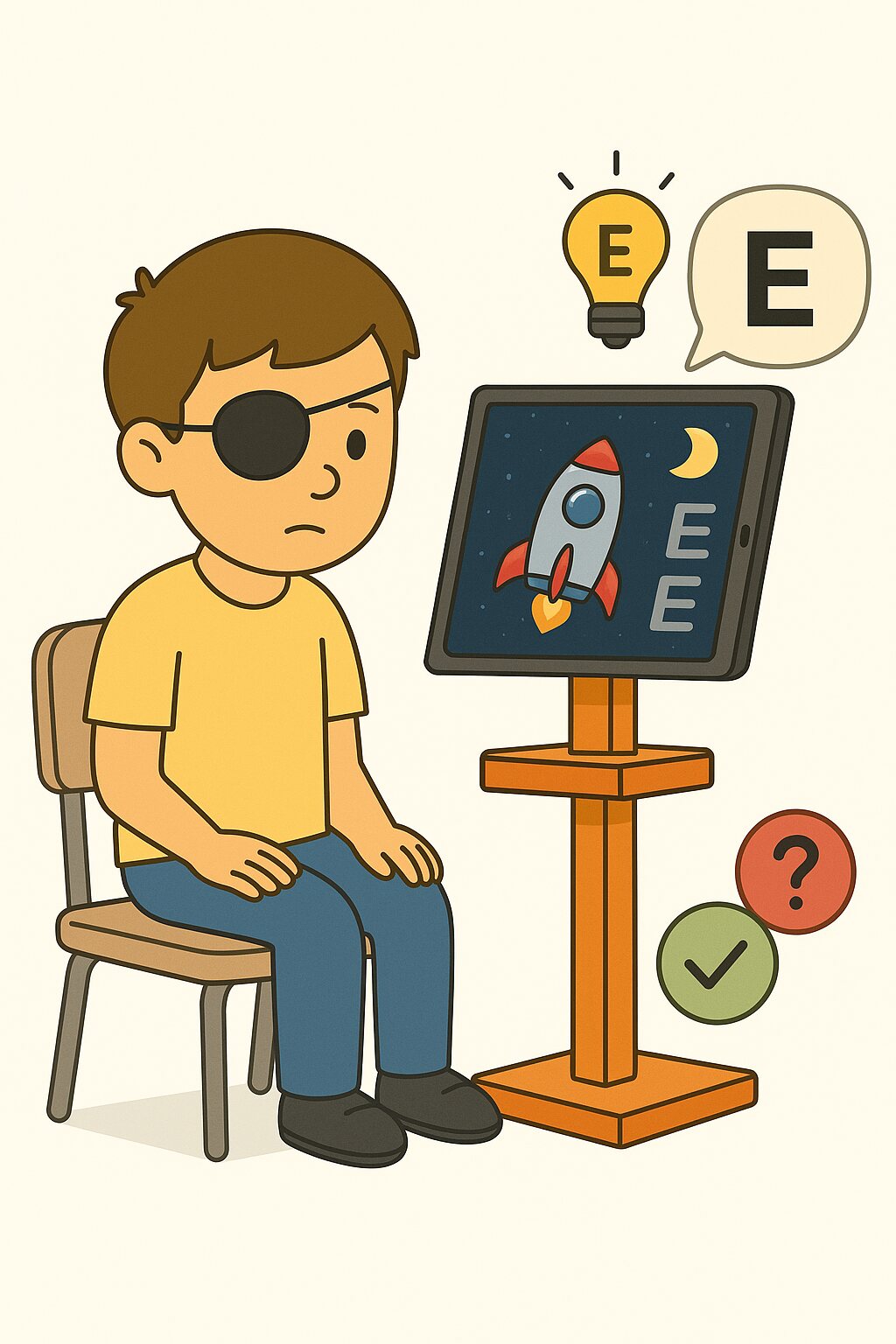
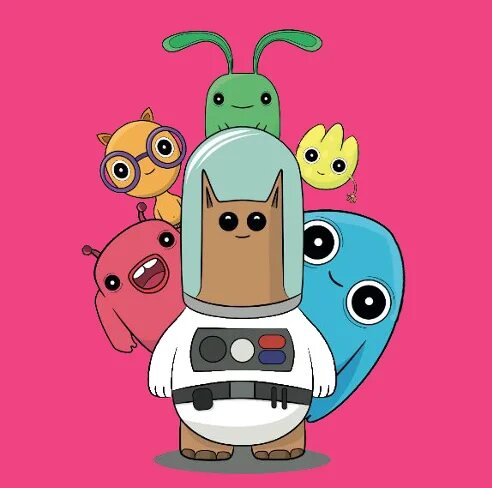
In response, OKKO Health developed the Space Vision prototype to reimagine paediatric vision testing for home use, embedding vanishing-optotype mechanics — a gold-standard clinical method — into a mobile game format. The core mechanic displayed optotypes (symbols that slowly faded into the background) to test how quickly and accurately children could identify them. Combined with patching for monocular testing, this is particularly effective at spotting subtle acuity issues. To make the process child-friendly, correct answers triggered short visual rewards, such as a friendly alien performing an action.
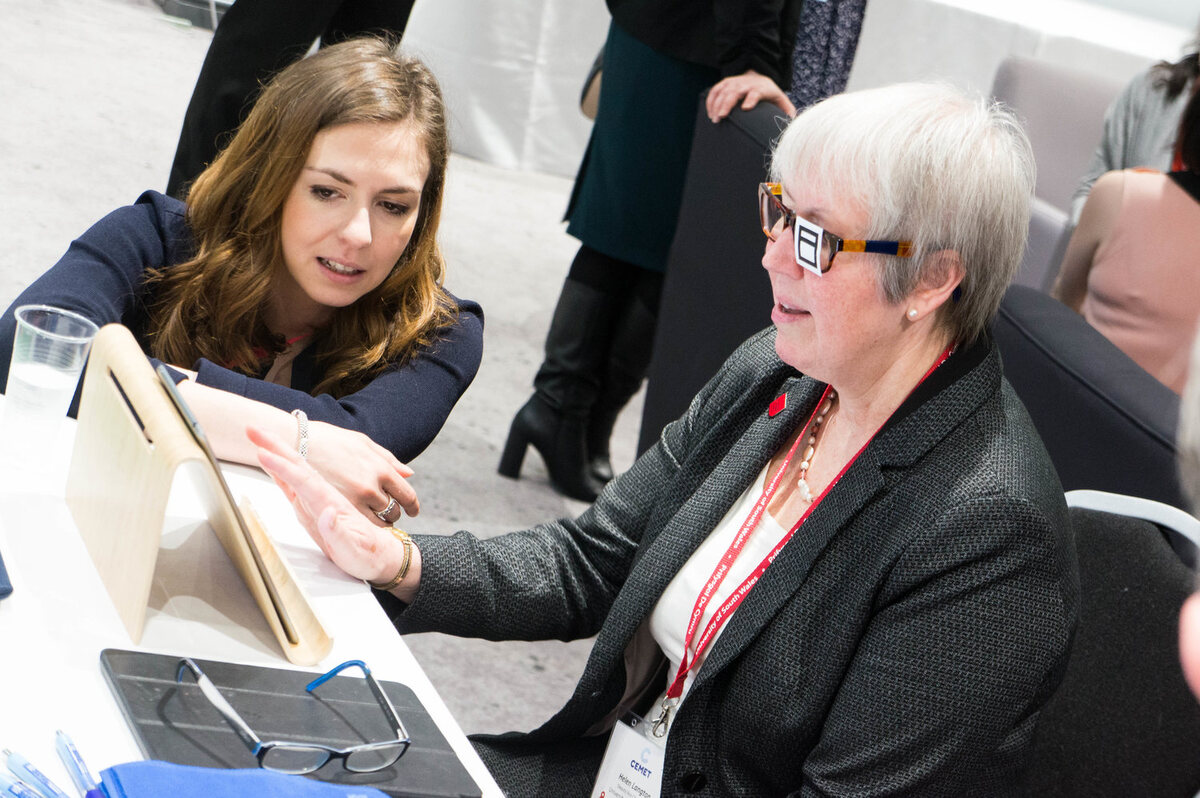
To preserve clinical integrity during remote testing, the system needed to verify that each test was conducted under consistent, valid conditions — especially viewing distance and device orientation, both critical to reliable acuity measurement. The solution: children wore custom glasses with a fiducial marker affixed to one lens — a printed pattern (such as a checkerboard) trackable by the iPad's front camera. By continuously monitoring the marker, the app could estimate the child-to-device distance and the screen's alignment, pausing the game or prompting repositioning whenever the marker drifted out of range or the tablet tilted.
OKKO's problem
While the underlying clinical model was robust, the first prototype didn't perform well in real-world use with children. Engagement was unexpectedly low, and although the team gathered tester feedback, there was initially no clear understanding of why the experience failed to hold children's attention. The puzzle was acute: the optotype system worked as intended, the character animations were colourful and professionally designed, and the interface was clean and accessible. Yet repeated testing revealed the same pattern — children would play briefly, lose interest quickly, and rarely return voluntarily.
Objective setting
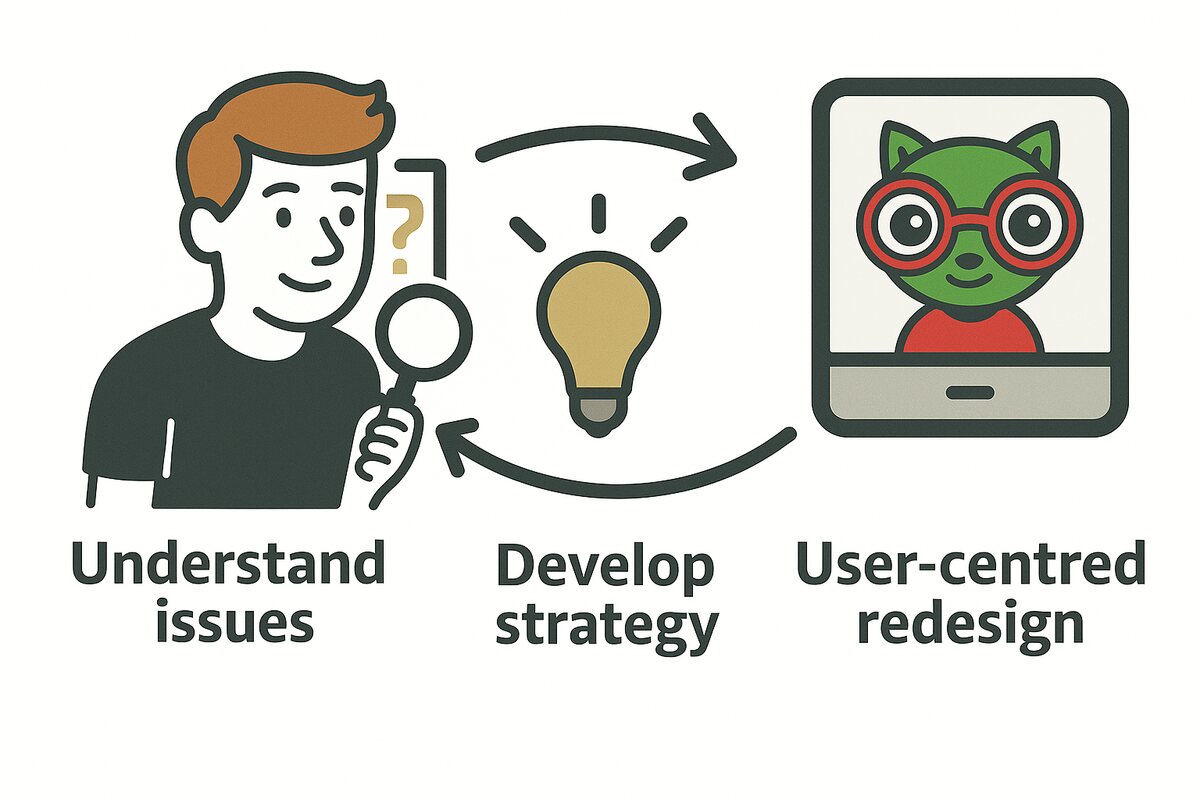
I was tasked with investigating the reasons behind low engagement with the existing prototype and developing a new design strategy to guide its redevelopment: identifying key usability and motivational issues through research, defining clear design principles, and delivering a user-centred redesign concept tailored to the developmental needs of children aged 3–8. My scope deliberately focused on design research and conceptual development — rather than full app redevelopment — equipping the team with actionable, evidence-based recommendations for future implementation.
Problem and vision statements
From interviewing OKKO personnel and subject-matter experts in vision health, I framed the redesign with a clear problem and vision:
The vision was to redesign Space Vision into a child-centred, engaging, and clinically robust mobile experience that supports home-based monitoring — blending playful interaction with clinical integrity to improve adherence, empower caregivers, and support early detection and long-term tracking of amblyopia.
2 · Define — understanding player needs
To understand how digital games sustain engagement for children aged 3–8, I conducted a gameplay study of popular mobile titles, aiming to uncover the design principles and motivational elements that could inform Space Vision's redesign. Partnering with primary and nursery schools in Northern Ireland and England, I ran observational studies of children playing a curated selection of off-the-shelf games:
- Thinkrolls — a physics-based puzzle game encouraging problem-solving through tactile interactions.
- PJ Masks — a character-driven adventure game featuring customisable superheroes.
- Subway Surfers — an endless runner with dynamic challenges and collectible rewards.
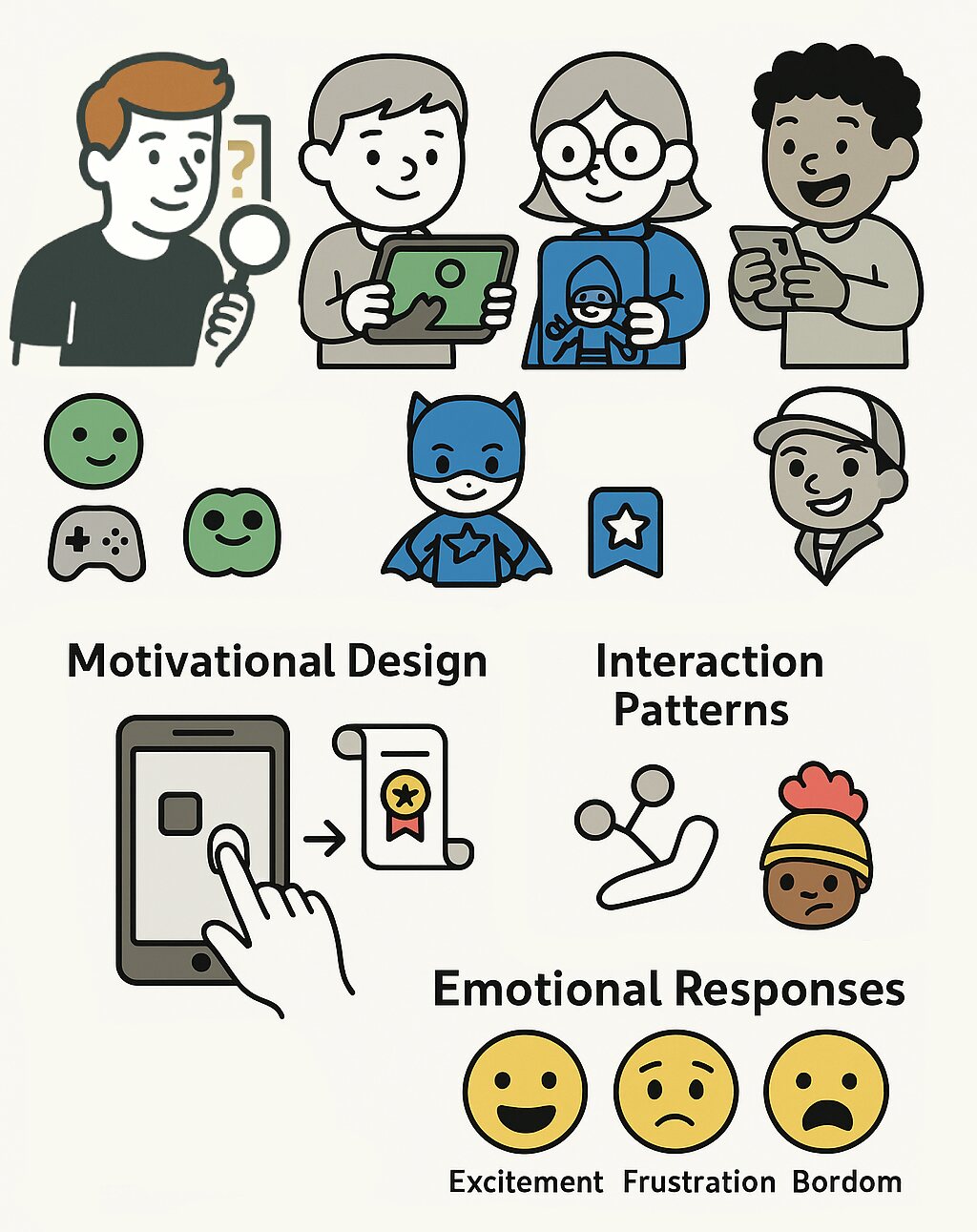
During gameplay I observed and recorded three dimensions: motivational design (narratives, rewards, and character progression that sustained engagement); interaction patterns (swiping, tapping, drag-and-drop); and emotional responses (moments of excitement, frustration, or boredom). The study surfaced five clear findings:
- Relatable characters are key. Children engaged most with anthropomorphic characters that had playful traits and distinct personalities, especially when customisable with outfits and accessories.
- Discoverability sustains engagement. Hidden rewards, collectibles, and surprises encouraged exploration and prolonged play, particularly when small achievements layered into larger goals.
- Replayability through simplicity. Simple but repeatable mechanics with gradual difficulty — and minor variations like character-specific abilities — kept children returning.
- Narratives encourage emotional investment. Story-driven missions tied to helping others or imaginative themes created stronger emotional connections.
- Short, focused sessions work best. Modular content broken into self-contained tasks (typically under five minutes) was easiest for young players to return to and complete independently.
First-layer recommendations
Based on this observational research I recommended introducing customisable, anthropomorphic characters; embedding hidden rewards and collectables to promote curiosity and replayability; framing clinical optotype tasks as narrative-driven missions aligned with familiar child "life scripts"; and using modular session design to respect short attention spans and ease testing into daily routines.
3 · Evaluate — understanding the current experience
Next I assessed the engagement value, usability, and character and narrative appeal of the original Space Vision prototype — identifying strengths to retain, weaknesses to address, and opportunities for improvement, all in the context of the target audience of children aged 3–8. I conducted structured playtesting with 13 children aged 5–6, assessing engagement (how long children stayed focused, and where and why disengagement occurred), usability (how independently they could navigate the game, including fiducial-marker alignment), and narrative appeal (their reactions to characters, animations, and storyline).
Alongside live observation, I gathered qualitative feedback through semi-structured interviews and character-ranking activities, and invited each child to customise a character of their choosing — assigning names, outfits, and imagined roles to explore their visual preferences and emotional associations.
Key findings from observation
- Engagement drop-off. Children quickly lost interest in the repetitive vanishing-optotype mechanic. Without deeper narrative or varied gameplay, sessions felt monotonous.
- Usability barrier. Reliance on fiducial markers to cover one eye and align with the camera caused frequent interruptions. Many children struggled to maintain alignment independently, leading to frustration and adult intervention.
- Narrative and character limitations. Animations amused children at first, but the characters lacked depth and relatability, limiting long-term interest. Feedback consistently favoured anthropomorphic characters with relatable, human-like traits.
- Reward-system challenges. The game lacked meaningful rewards or achievements, providing little motivation to continue.
Key findings from the character and narrative activity
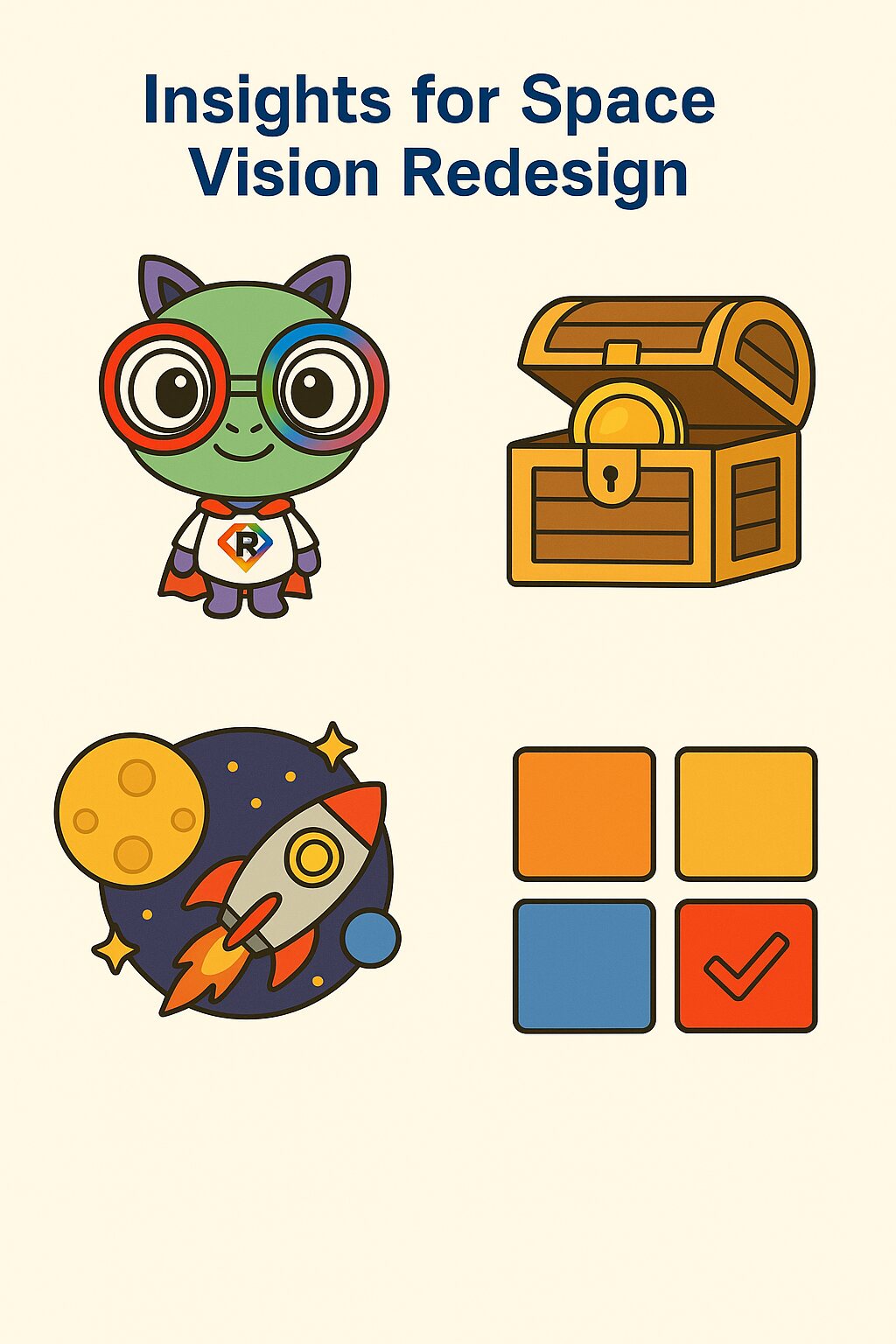
The interviews and design activity were rich. Children consistently gravitated toward friendly, animal-like figures — large eyes, ears, warm expressions — describing the most popular designs (a rabbit and a dog) as cute, kind, and safe. Many wanted to personalise characters not just visually but through accessories, outfits, and colours (glasses, superhero capes, vampire costumes, rainbow clothing), projecting their own identities and moods. Crucially, they wanted characters to act — to be polite, helpful, or playful (offering to shake hands, saying "pardon me," sharing chocolate) — and were disappointed when characters appeared but "didn't do anything." A strong theme was connection to everyday life: children imagined characters going to school, taking holidays, or visiting town centres, grounding the game in worlds they recognised.
Second-layer recommendations
Building on the mobile-game findings, I recommended introducing layered gameplay loops to prevent repetition (mission variety and rotating challenges while retaining the core optotype mechanic); reducing dependence on fiducial markers through passive calibration, built-in face tracking, or caregiver onboarding; expanding character personalisation and emotional depth with persistent, evolving avatars; and redesigning reward systems around achievements and collection — tied directly to clinical goals such as daily use and accuracy milestones to reinforce adherence.
4 · Ideate — user-centred redesign
With the prototype evaluated, I moved into participatory redesign with children, parents, and stakeholders. To synthesise insights and co-create new ideas, I developed a lightweight digital storyboarding app for Android that let children visualise and refine their visions for the game through play and storytelling. The tool allowed them to design characters (customising avatars with anthropomorphic traits, colours, accessories, and imaginative features such as superpowers or costumes), sketch gameplay ideas, and build mission-based storylines grounded in real-life experiences like school, holidays, or exploring new places.
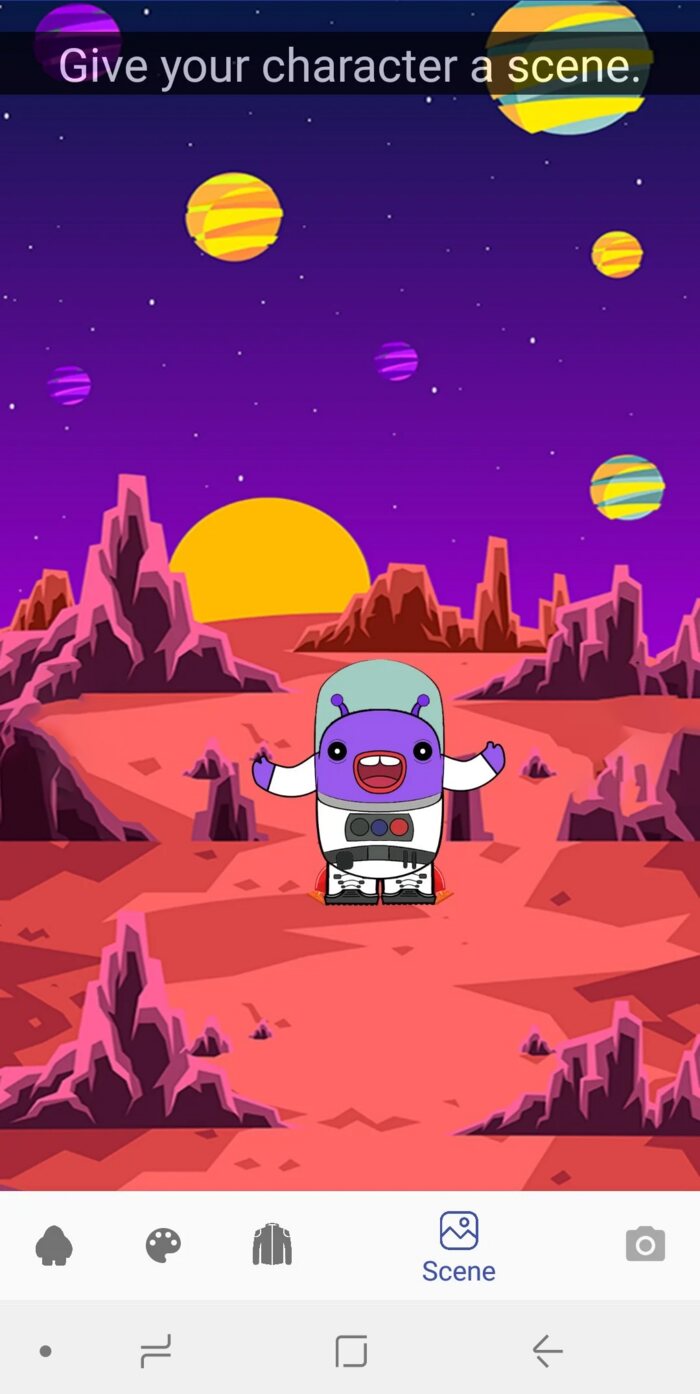
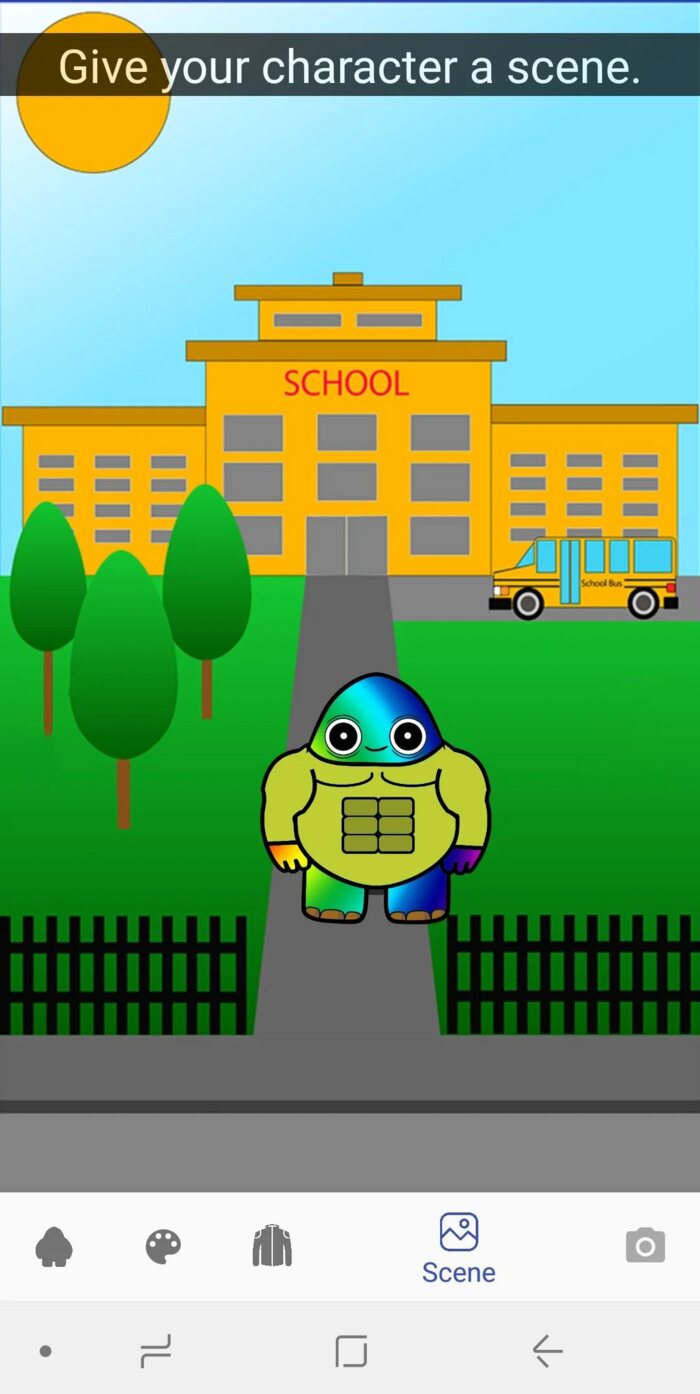
Across a series of hands-on workshops, children brought their sketches, stories, and preferences to life in digital form. Together we explored how visual testing could be embedded naturally within fun, mission-based experiences — and the format helped surface not just what children liked, but why certain characters, structures, or rewards were compelling. To ensure the concepts remained clinically viable and technically feasible, I presented the storyboards to OKKO Health's product and clinical teams in structured review sessions, iteratively refining the designs so the final concepts balanced playability, accessibility, and diagnostic integrity.
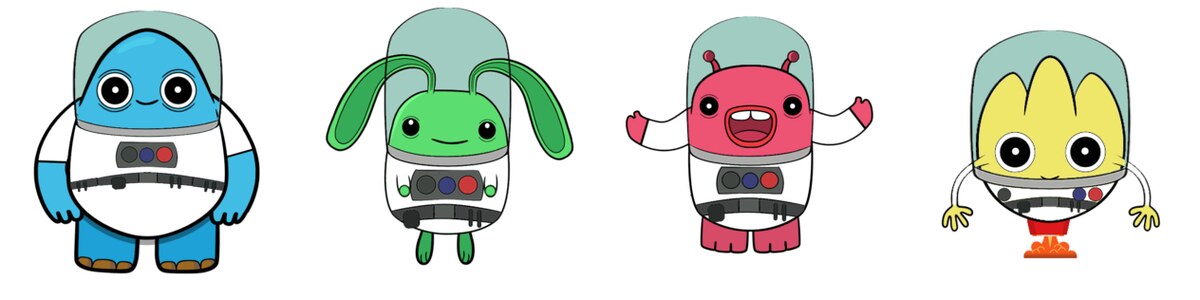
Outputs — character concepts
The storyboarding sessions strongly reaffirmed the appeal of relatable, imaginative characters. Given the chance to create their own, children overwhelmingly designed anthropomorphic animals — rabbits, cats, foxes, and dogs — each with expressive faces and distinctive traits. But their creativity didn't stop at species. They added superhero capes, masks, and powers like flying or turning invisible; space helmets and rocket boots; quirky accessories like talking wristbands and utility belts; and, in one memorable case, a vampire-themed space bunny who flew missions at night collecting "moon crystals." These preferences reflected a deep desire to express identity and imagination, underscoring the need for a cast of customisable, emotionally resonant companions.
Outputs — gameplay and narrative
Using the app's sketching features, children created rich mini-game ideas that placed optotype tasks within broader, imaginative contexts — piloting spaceships, avoiding meteors, and completing visual-spotting tasks as part of intergalactic travel, or searching for hidden "cosmic critters" between vision tests. Many storyboards included mission structures and character-driven plots: repairing a damaged spaceship, rescuing stranded friends from distant planets, or collecting tools to complete a shared quest. These scenarios mirrored the everyday "life scripts" identified in earlier interviews — teamwork, helping others, overcoming obstacles — set against imaginative space backdrops, showing how narrative scaffolding could turn short testing interactions into part of a larger, meaningful journey.
5 · Deliver — mapping a new course
Drawing on this multi-phase analysis and user-centred design activity, I delivered a set of final recommendations to OKKO Health aimed at transforming the prototype into a clinically robust, engaging, child-friendly experience for home-based vision screening:
- Introduce modular, mission-based gameplay. Replace the linear testing flow with short, varied missions that embed visual-acuity tasks within imaginative, narrative-driven play — using brief mini-games as motivational intermissions and rotating content to support layered loops over time.
- Improve usability and reduce friction. Replace fiducial-marker tracking with more seamless solutions such as depth-sensing, face tracking, or passive calibration, and redesign the interface for younger users with larger touch zones, fewer steps, and clearer prompts.
- Expand narrative and character depth. Introduce customisable, anthropomorphic avatars — species, colours, outfits, and accessories — embedded within a light narrative framework such as training to become a space explorer.
- Motivate through meaningful rewards. Add hidden rewards, collectibles, and unlockables alongside progress indicators tied to clinical milestones (e.g. "Daily Mission Complete," "Eye Captain Unlocked").
- Maintain clinical integrity. Keep vanishing optotypes as the core method — embedding tasks naturally within mini-games (scanning alien symbols, identifying camouflaged targets) while ensuring every new feature aligned with clinical data requirements.
Looking ahead: Space Academy
These recommendations formed the foundation for OKKO Health's next stage of development — Space Academy — a reimagined experience where children engage with vision screening as part of an exploratory journey through space. The new direction brought together everything we learned: child-led play, meaningful character relationships, embedded clinical assessment, and game-like progression, all while empowering children to take an active role in their own eye health.
Reflections
Space Vision underscored a lesson that recurs throughout my work with children: clinical rigour and genuine delight are not in tension, but they do not arrive together by accident. The original prototype was technically sound yet emotionally inert — and only by observing children at play, listening to what they wanted their characters to do, and giving them the tools to author their own ideas did a workable design strategy emerge. Participatory methods didn't just validate decisions; they generated ideas — the vampire space bunny and the cosmic-critter hunts — that no clinical brief would ever have produced.
The project also reaffirmed the value of scoping research sharply. By focusing on evidence-based design recommendations rather than full redevelopment, I could move quickly through observation, evaluation, and co-design, and hand the team a strategy grounded in real children's voices — while leaving clinical accuracy, the one thing that could never be compromised, firmly intact.
Selected publications
Gray, S., Bevan, C., Campbell, S. & Cater, K. (2021). Space Vision: Developing a Game for Vision Screening and Home-Based Monitoring. Proceedings of the ACM on Human-Computer Interaction, Vol. 5, CHI PLAY, Article 272.
Gray, S.I., Campbell, S., Cater, K., Bevan, C. & Gilchrist, I. (2018). Designing Games for Vision Screening: Lessons Learned from Observing Preschool Video Game Play. CHI PLAY 2018 Extended Abstracts, pp. 439–445.
Keep exploring
More case studies
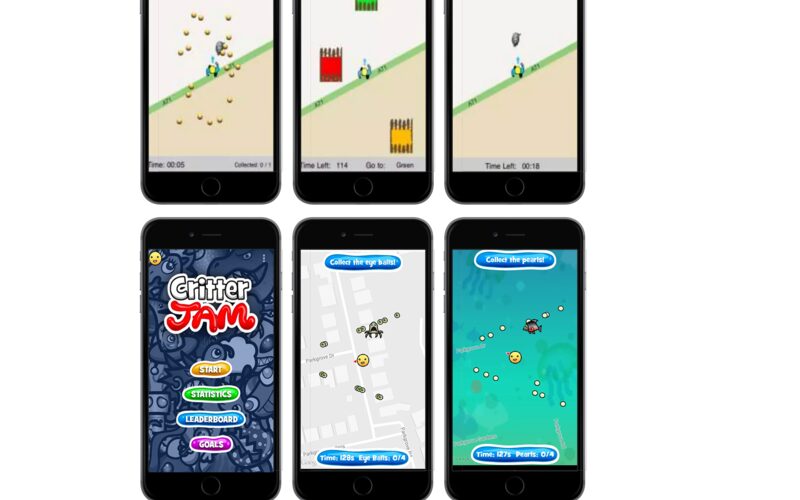
Critter Jam
A location-aware mobile exergame to promote children's physical activity.
View case study →
VR100
Using design fiction and immersive theatre to explore the ethics of VR.
View case study →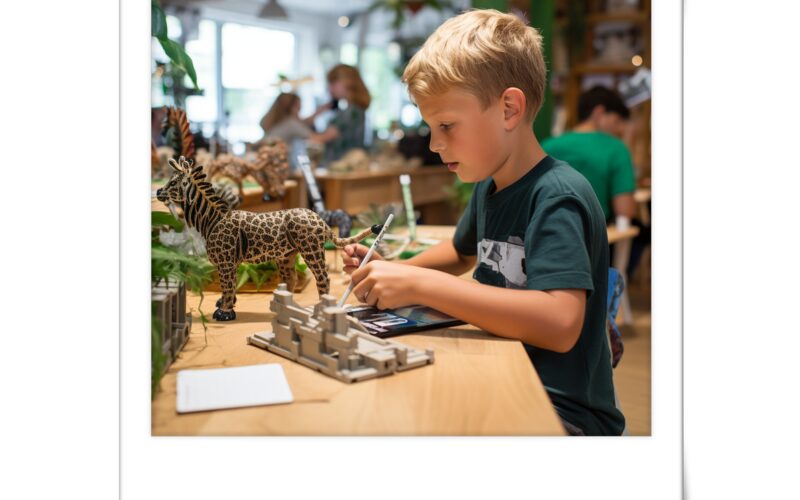
ZooDesign
A novel design method to facilitate children's education at zoos.
View case study →